Icelandic Sheep
One of the world's oldest and purest sheep breeds. 1,100 years of isolation produced an animal uniquely hardy, triple-purpose, and genetically irreplaceable.
6–8%
Butterfat
4–7 lbs/yr
Fleece
Iceland, 874 AD
Origin
Milk/Wool/Meat
Purpose
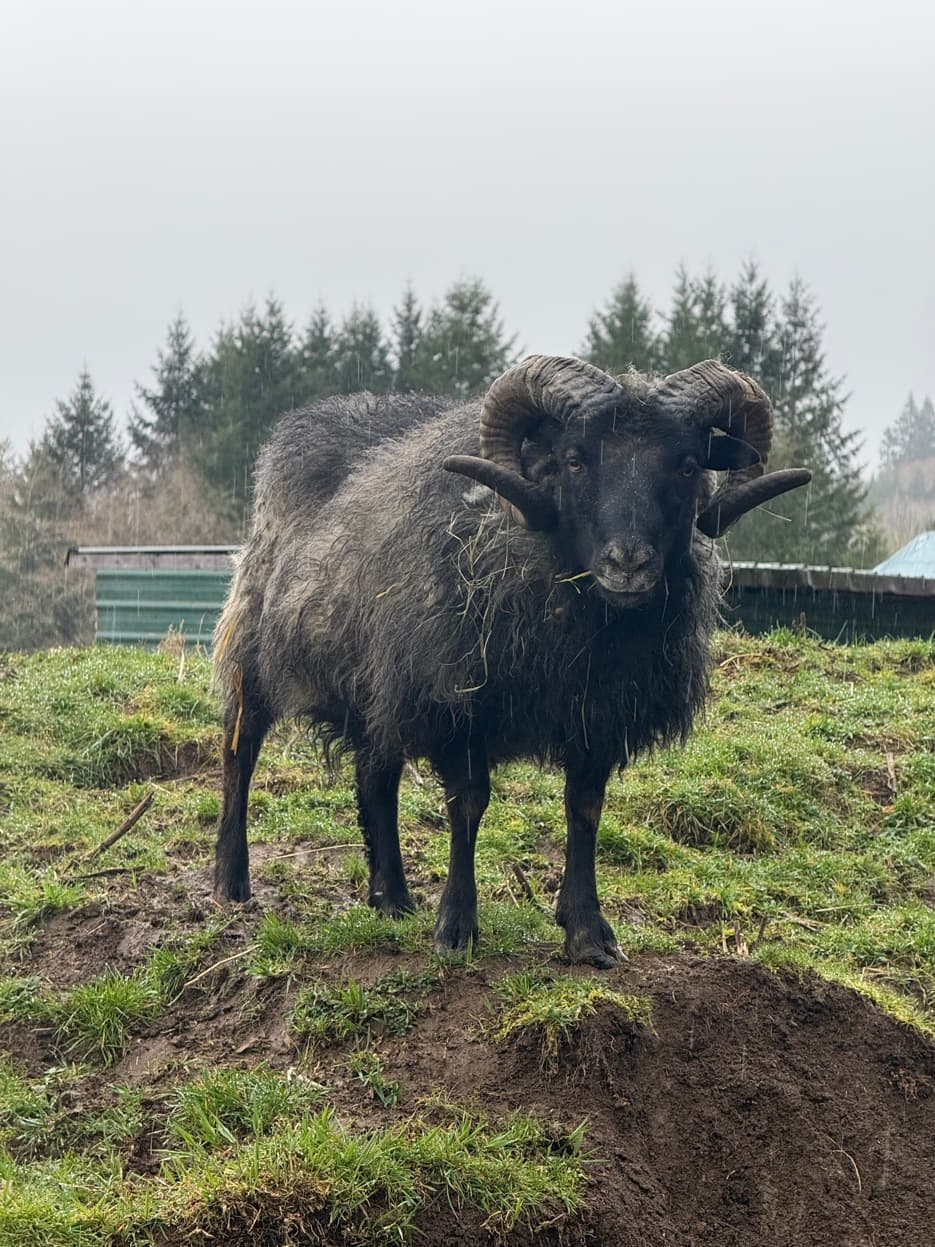
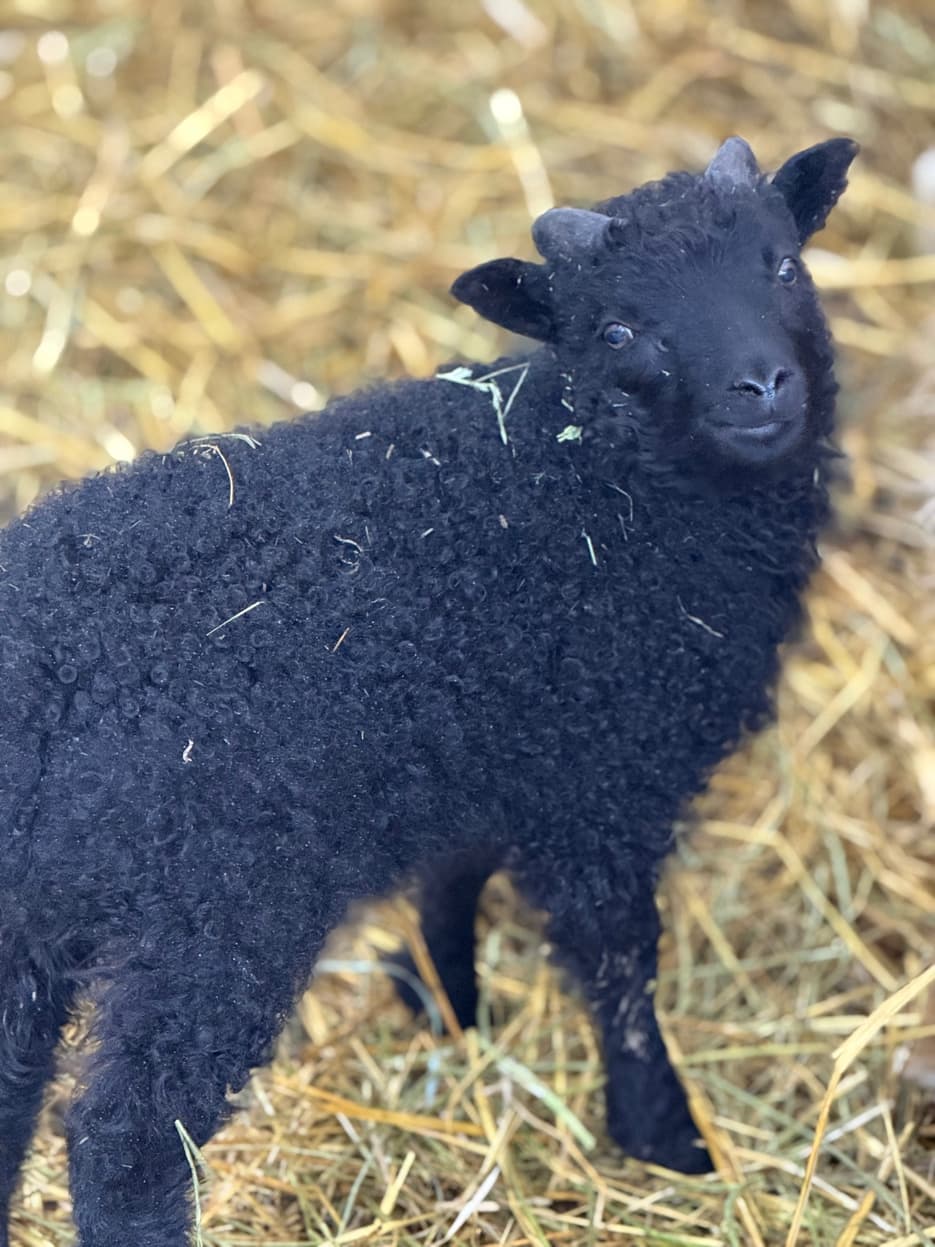
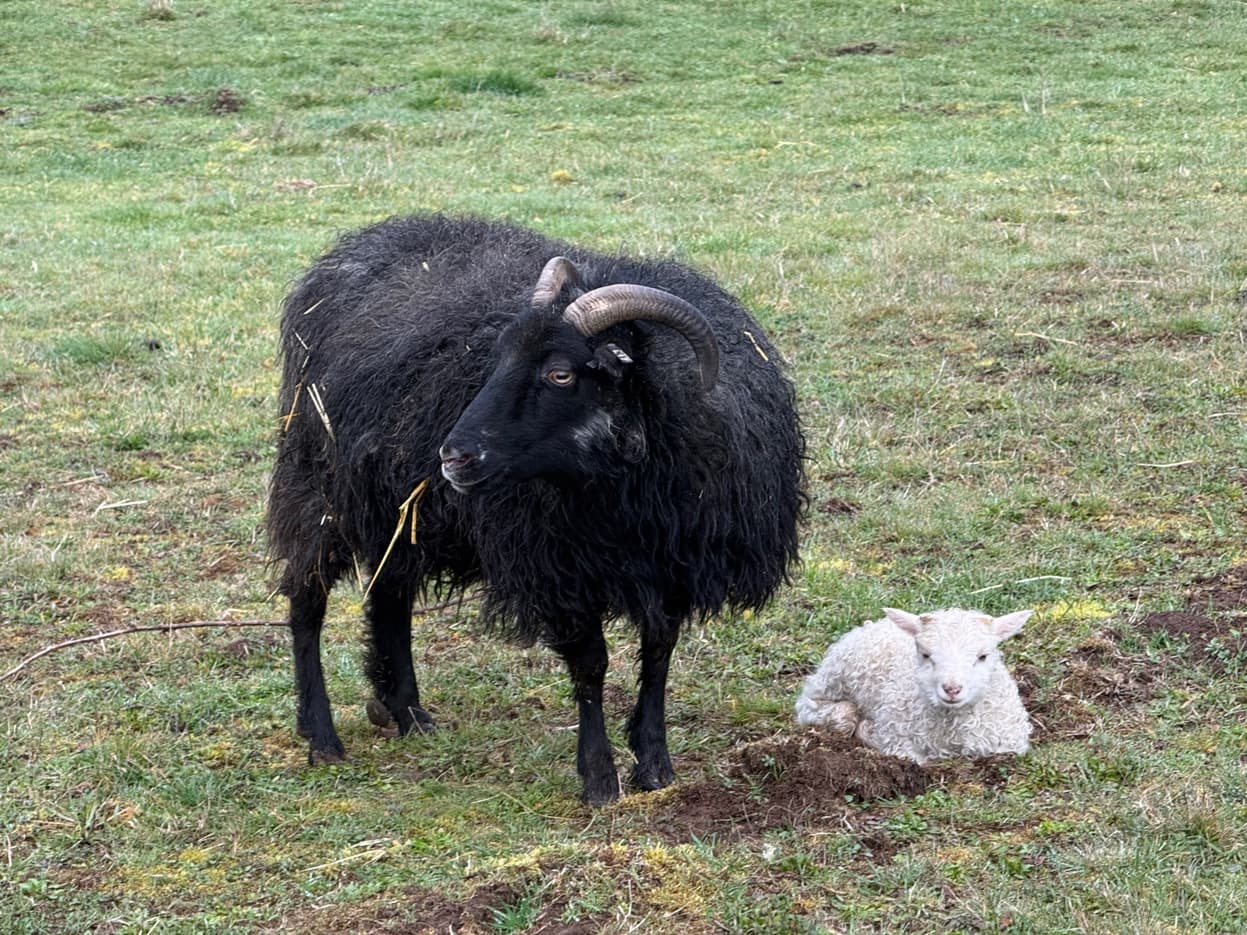
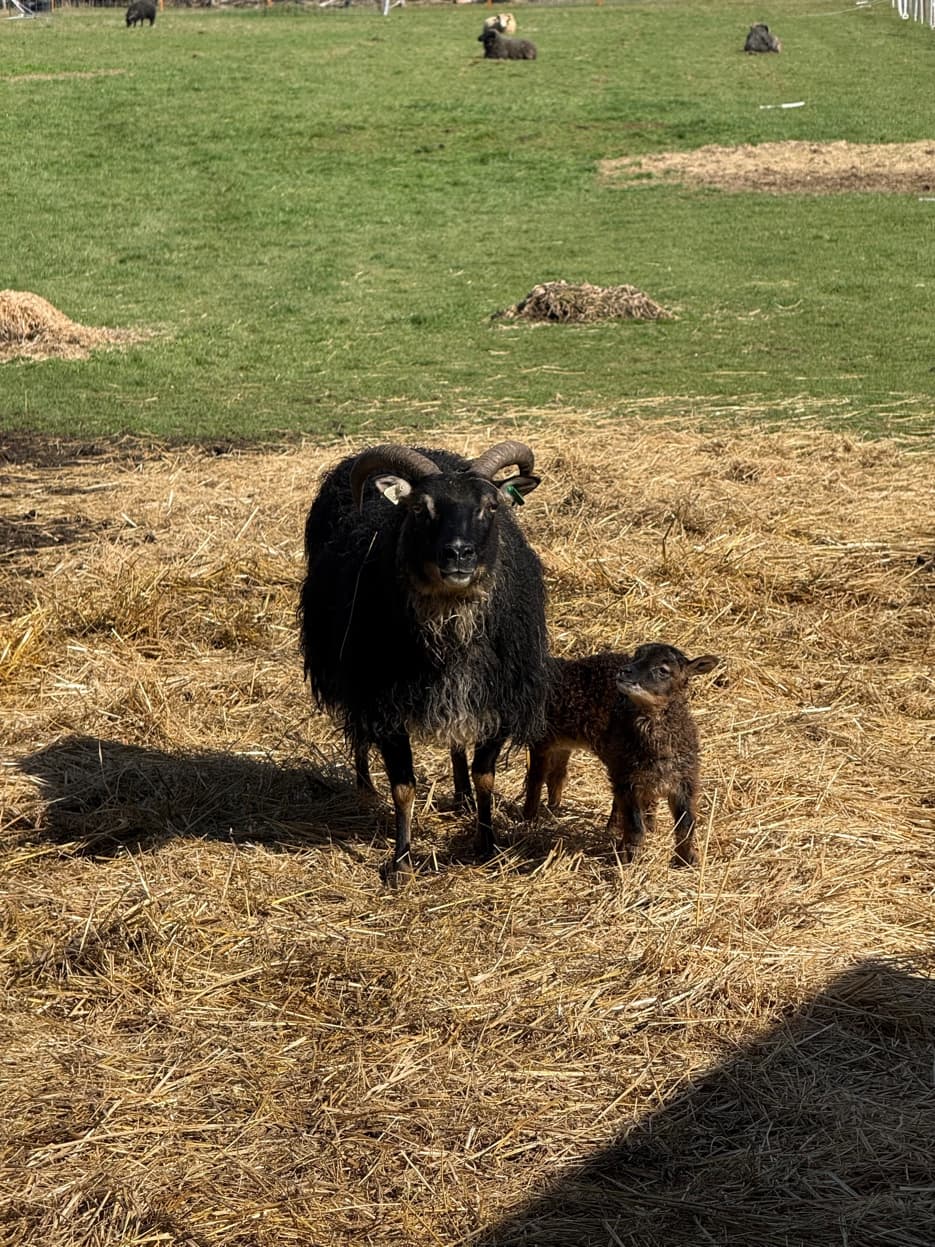
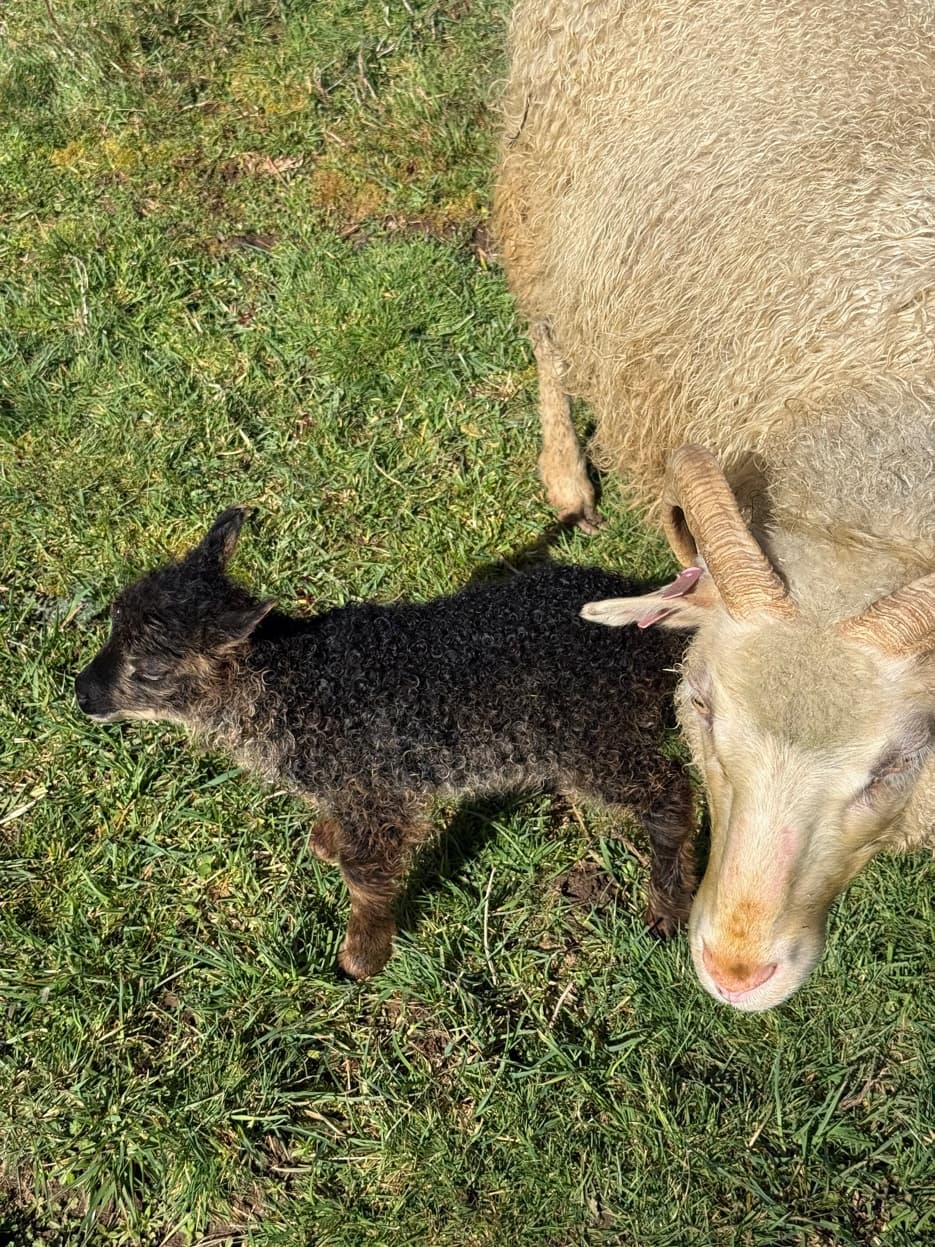
At RiverHouse Dairy
Our Icelandic flock was our introduction to sheep. After building the goat herd, we wanted a dairy sheep with genuine hardiness for the wet PNW climate and meaningful milk production. Icelandics checked both boxes — plus fleece. They handle Lewis County winters better than most breeds, forage well, and don't require the intensive management some specialty dairy sheep demand.
The Icelandics anchor our flock while we build Lacaune genetics. Their milk contributes to our seasonal sheep milk production, and their fleece is genuinely beautiful — fine, long-staple, and prized by hand spinners.
History & Origin
Icelandic sheep arrived in Iceland with Norse settlers around 874 AD, brought from Scandinavia and the British Isles. For the next 1,100 years, the breed developed in near-complete isolation on an island with no native land predators and a climate requiring extraordinary cold-hardiness and foraging ability on sparse, arctic vegetation.
Iceland maintained strict quarantine laws prohibiting imported livestock for centuries — a policy that, combined with natural isolation, created one of the world's purest and oldest sheep breeds. No Icelandic sheep left the island for over a millennium, and no outside genetics entered.
The result is an animal with exceptional genetic diversity within the breed (more than most "pure" breeds that have been artificially selected for a narrow production trait) and genuine triple-purpose utility: their milk is richly flavored and high in fat, their fleece is a distinctive two-layer coat (inner þel and outer tog) prized for its softness and luster, and their meat is lean and flavorful.
Icelandic sheep arrived in North America in 1985 through carefully managed imports. The breed has grown steadily among heritage breed farmers, particularly those seeking animals that can thrive on pasture with minimal grain supplementation.
Contributions to Humanity
Wool & Textiles
Icelandic fleece sustained Norse culture for over a millennium. Icelandic wool — used for the distinctive lopi yarn — is still a significant cultural and economic product. The breed's fleece is one of the most diverse in fiber diameter, allowing both fine garments and durable outerwear from the same animal.
Dairy Sheep Tradition
Iceland maintained a strong sheep milking tradition through the Middle Ages. Skyr — the iconic Icelandic dairy product — was historically made from sheep milk. Icelandic sheep milk's high butterfat and protein make it excellent for artisan dairy.
Genetic Conservation
As one of the most genetically distinct and pure sheep breeds remaining, Icelandics represent a critical conservation resource. Their genetic diversity, adapted to extreme cold and poor pasture, may prove invaluable as climate and food systems change.
Milk & Wool Profile
Milk butterfat: 6–8% — higher than most dairy sheep breeds, with exceptional flavor from their diverse pasture diet.
Lactation: Icelandics are seasonal milkers, typically producing from lambing through late summer. Not year-round producers like goats.
Fleece: 4–7 lbs per year of dual-coated wool. The inner coat (þel) is fine and soft; the outer coat (tog) is longer and lustrous. Both are used — sometimes together, sometimes separated by hand-spinners.
Meat: Lean, fine-grained, and distinctly flavored — considered a delicacy in Icelandic cuisine. Icelandic lamb raised on arctic grass and seaweed has a unique flavor profile unlike anything raised conventionally.