Nigerian Dwarf
The richest butterfat of any dairy goat breed. Compact, prolific, and the foundation of our dairy herd.
6–10%
Butterfat
1–2 qts
Milk/day
17–21 in
Height
75 lbs
Weight
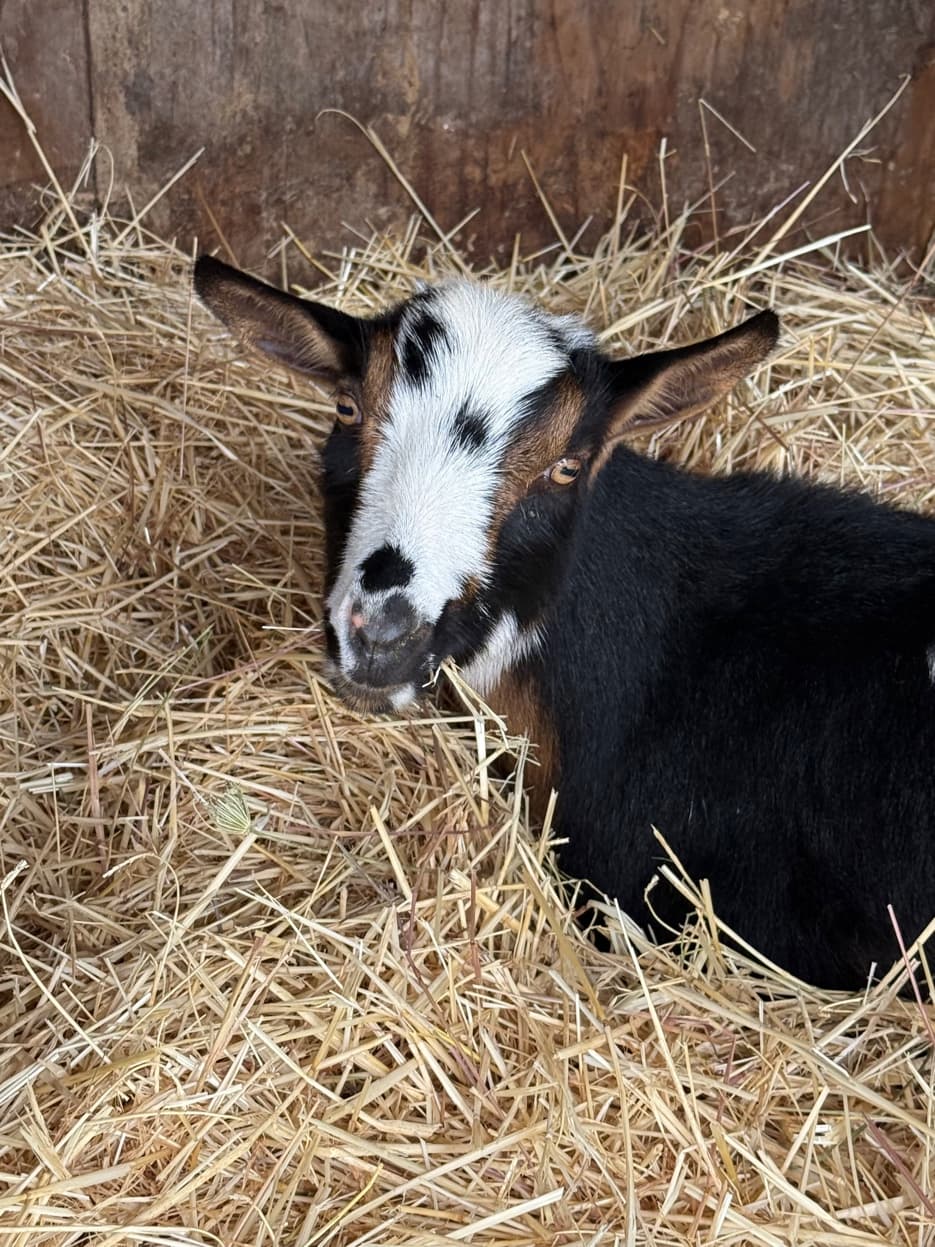
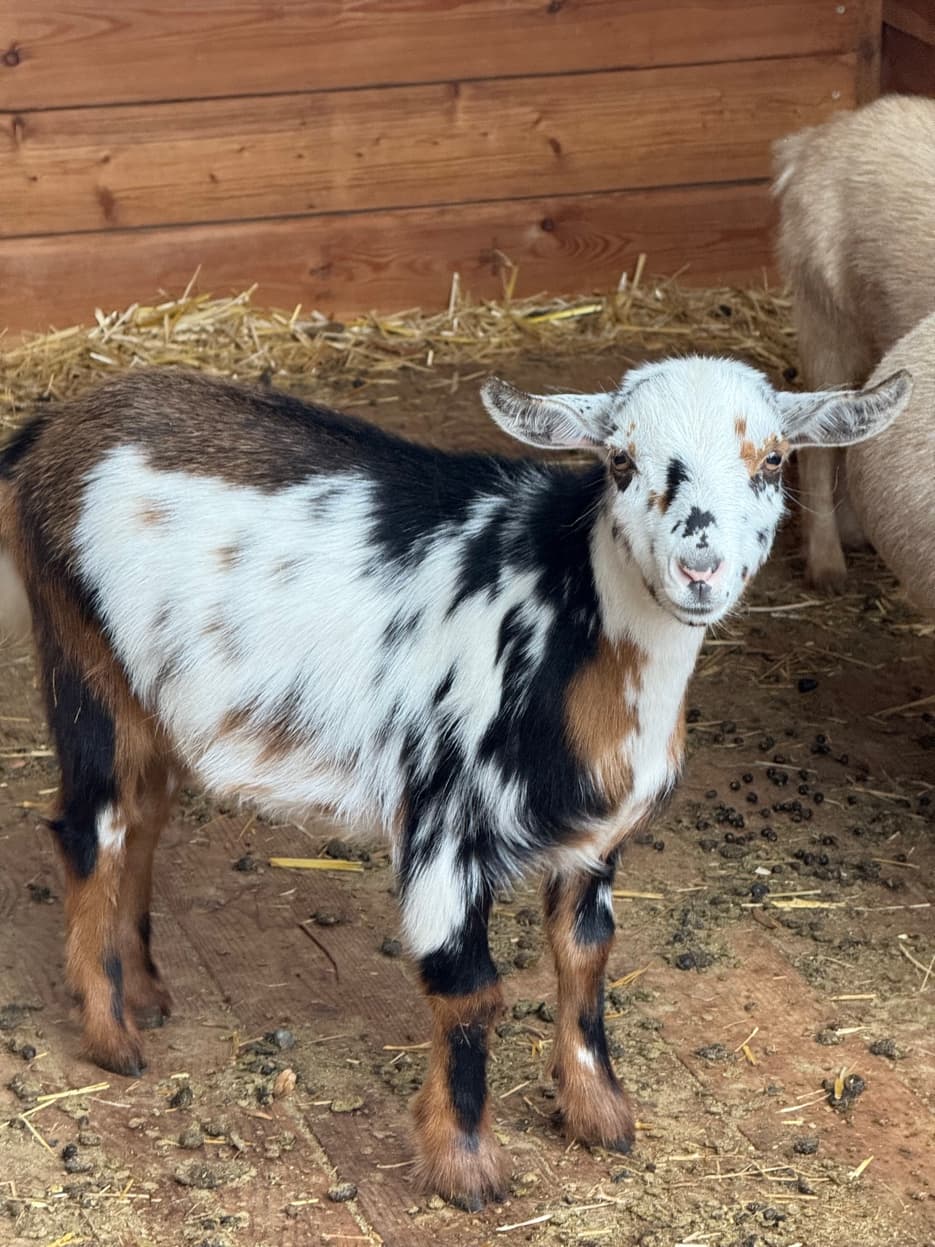
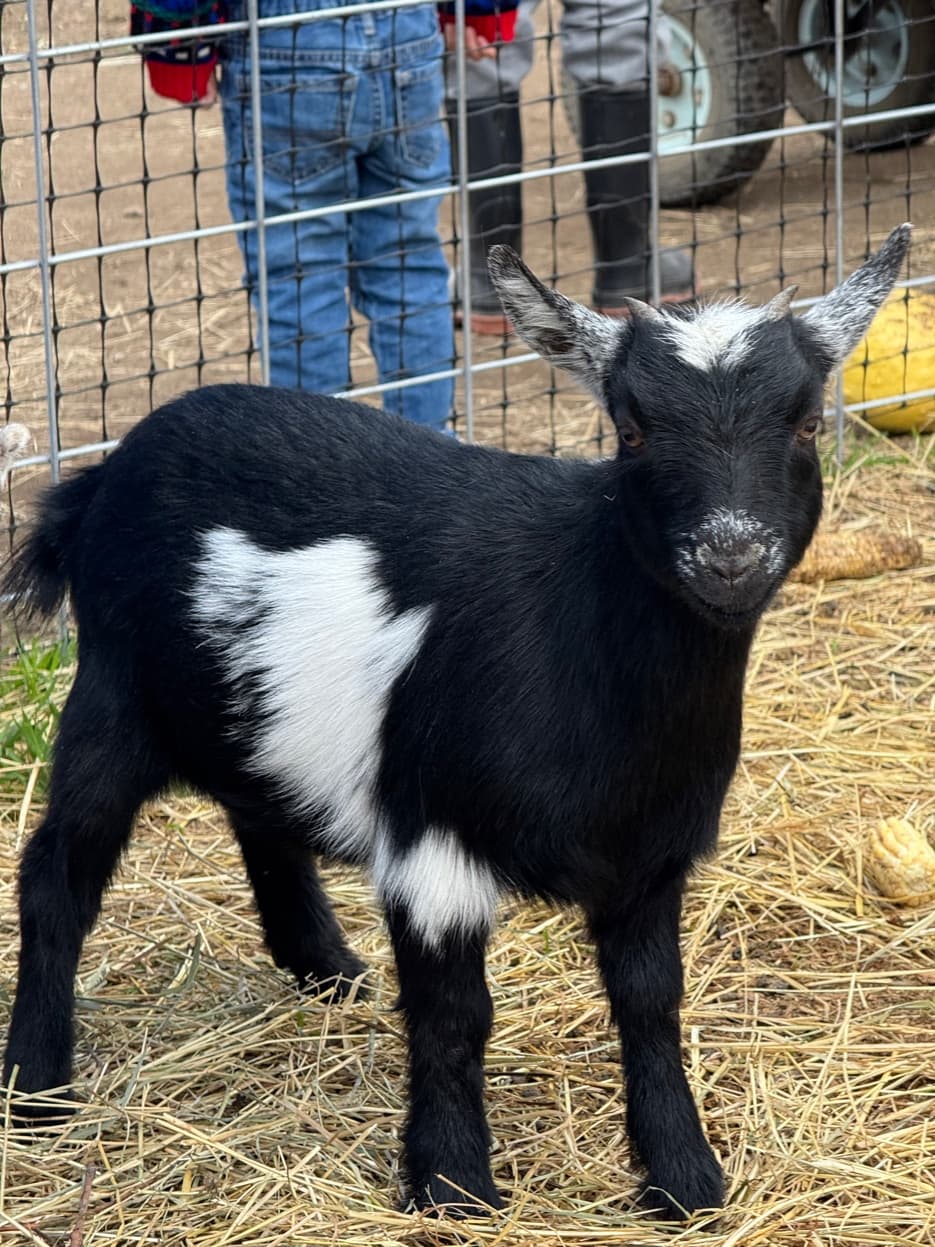
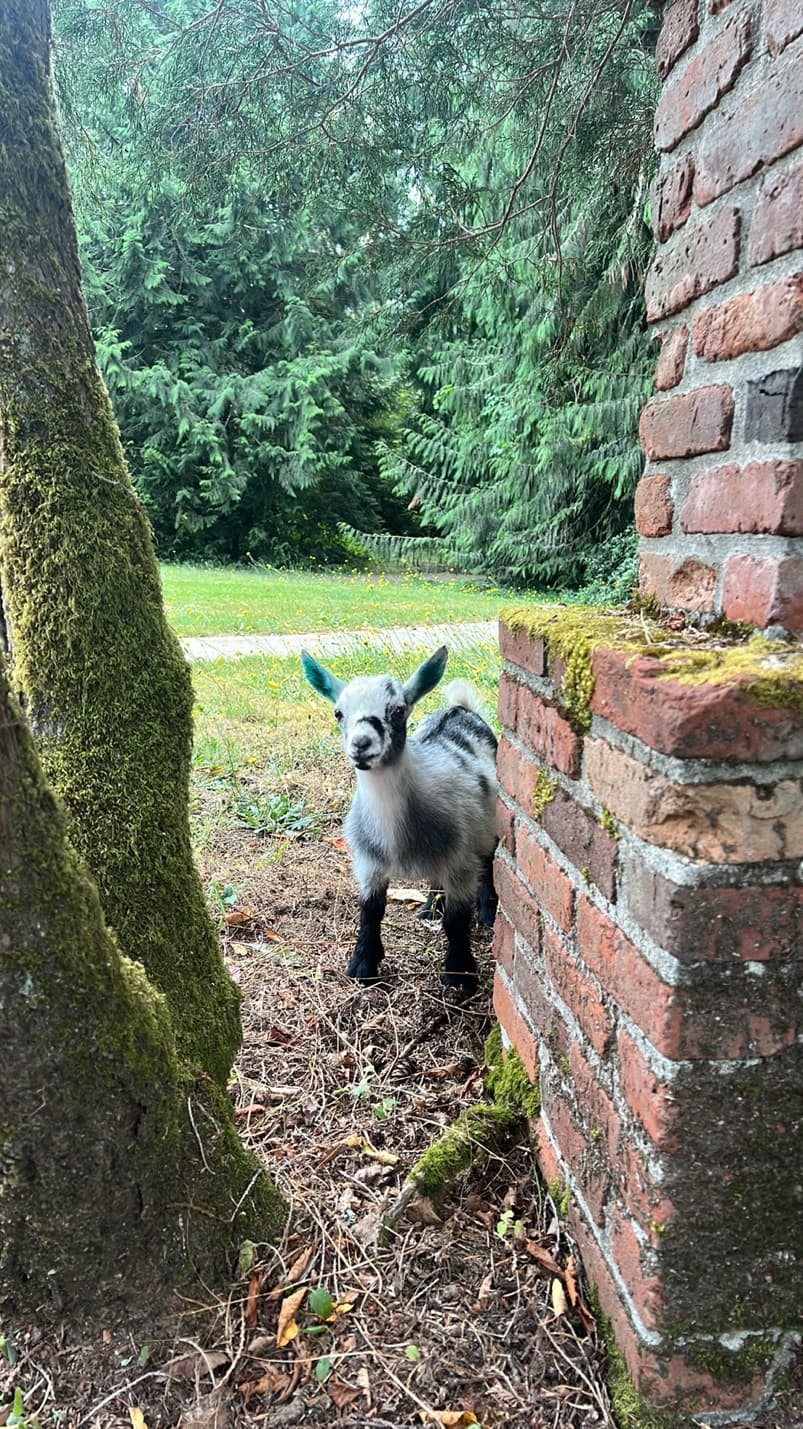
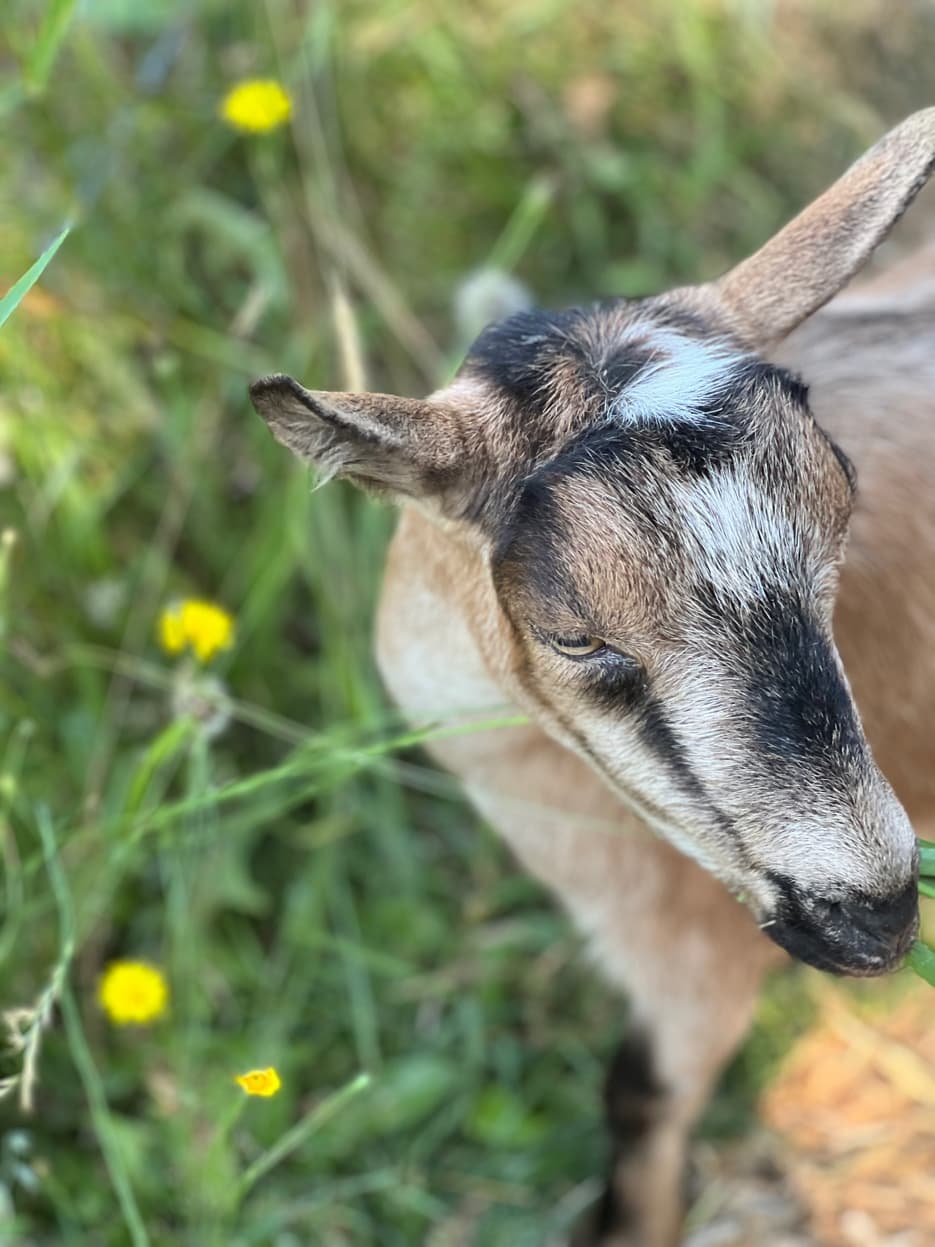
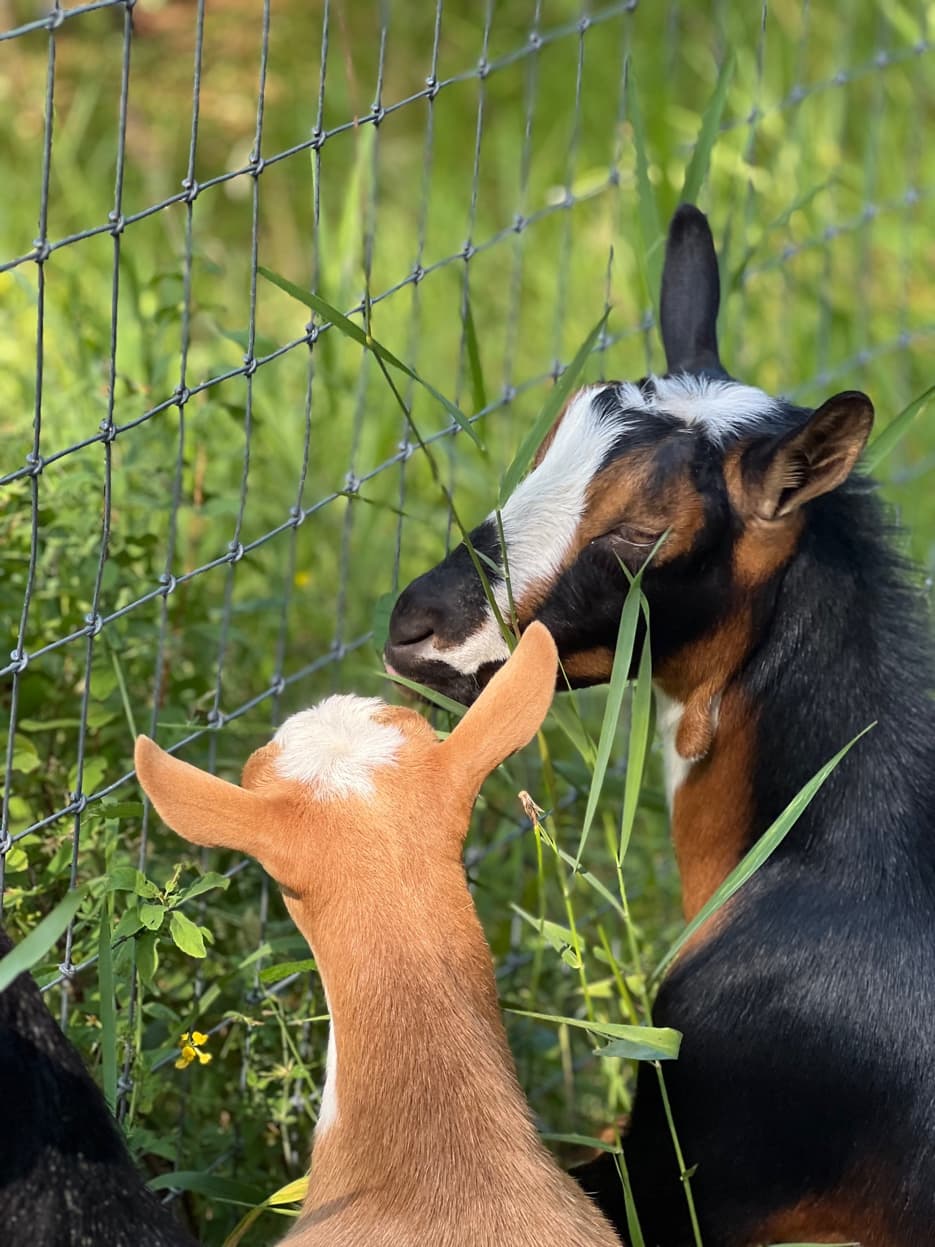
At RiverHouse Dairy
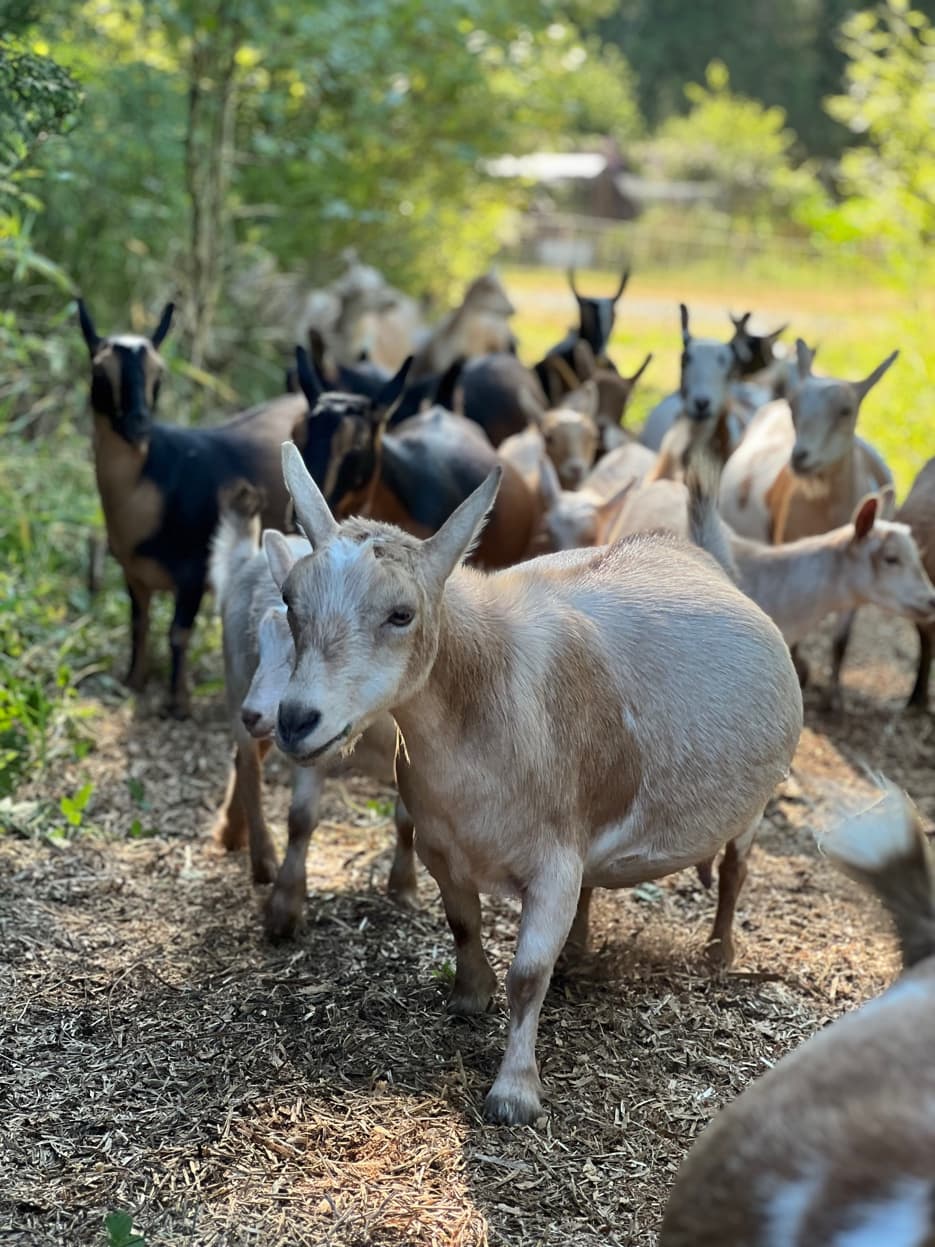
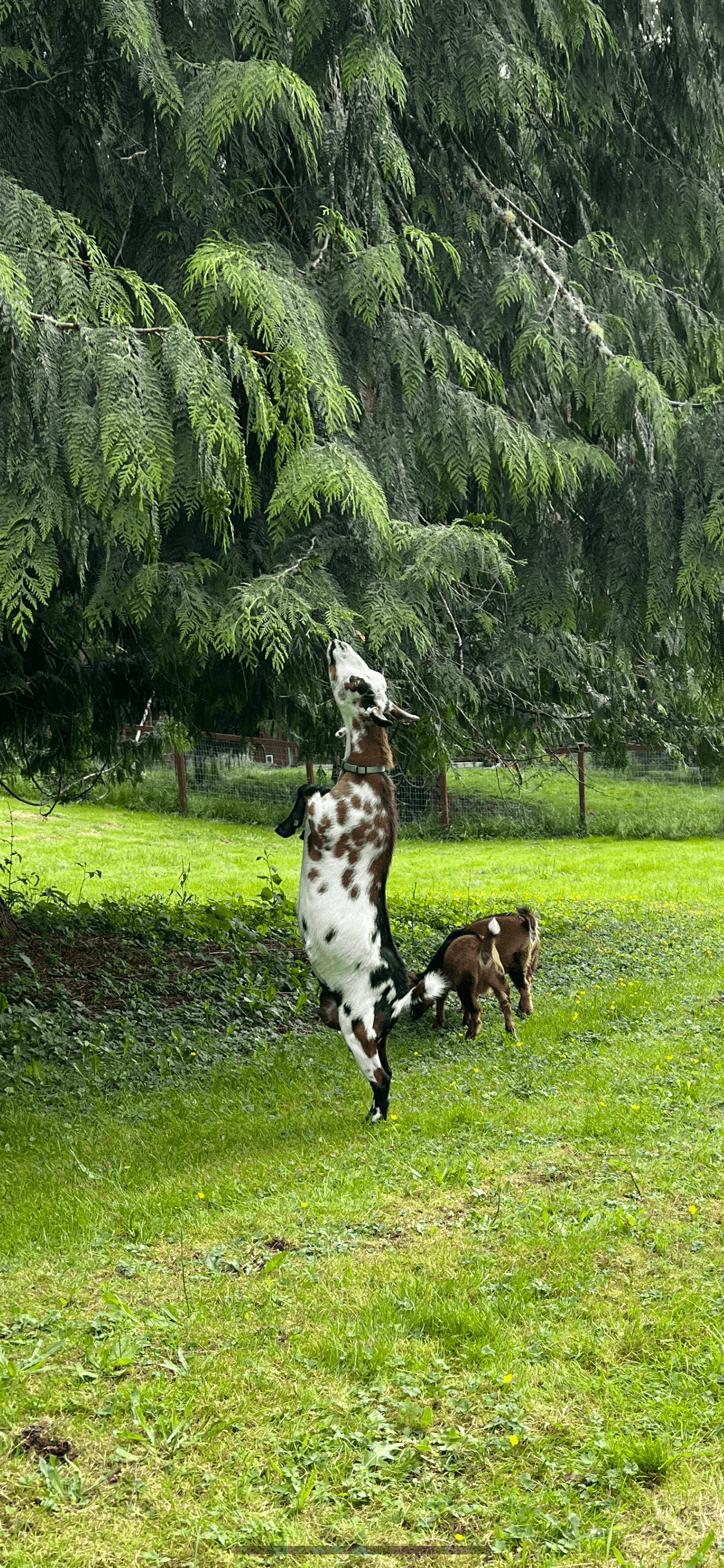
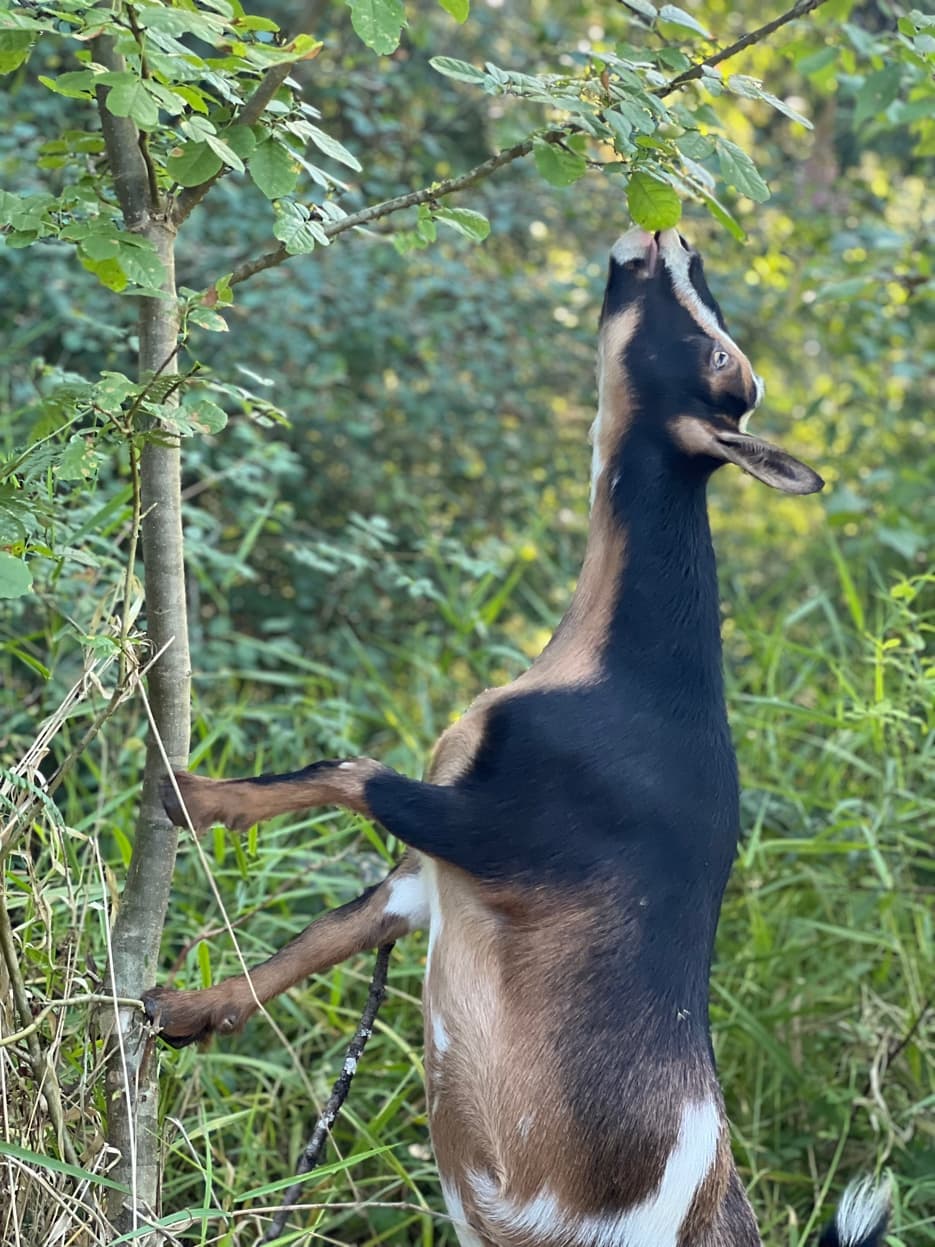
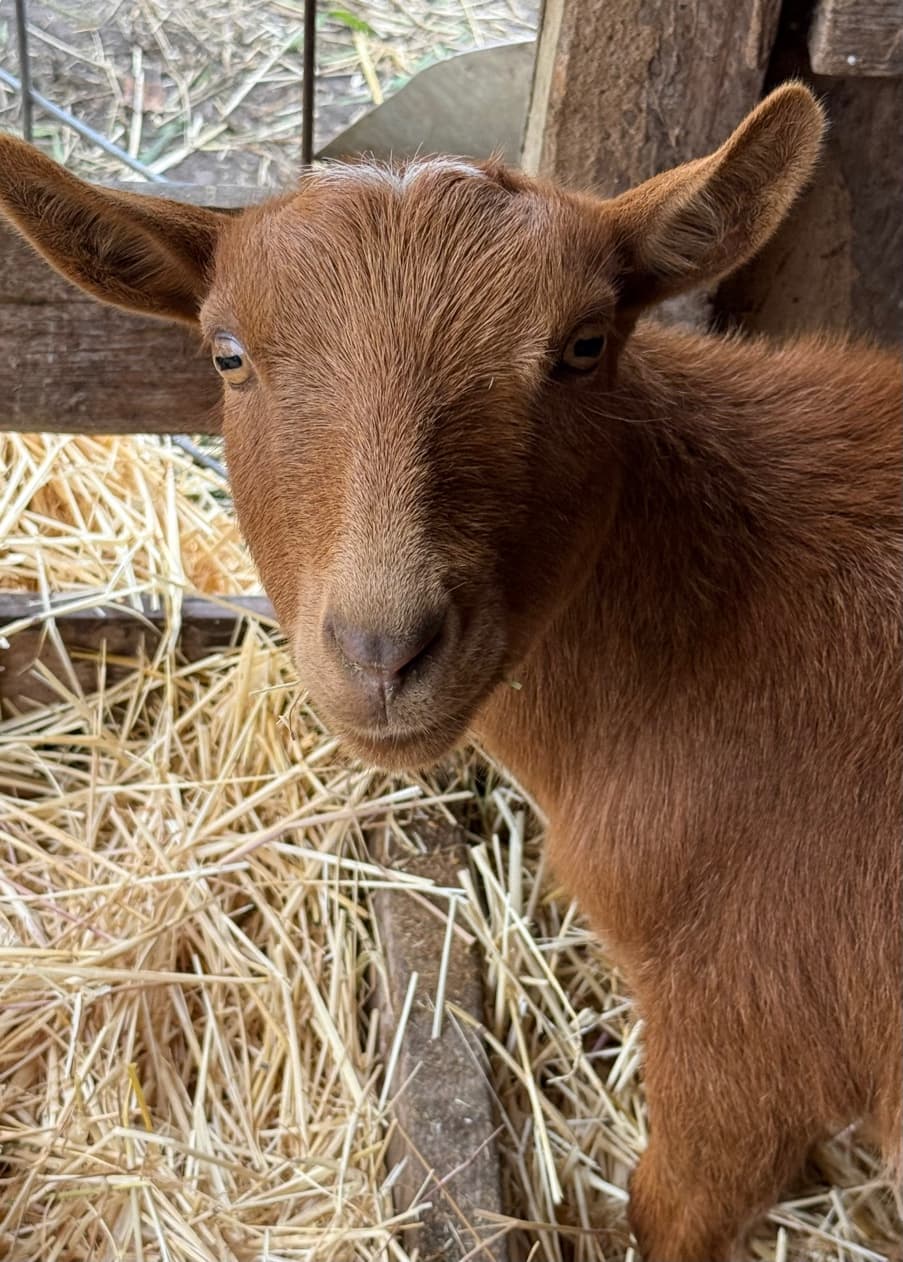
Our Nigerian Dwarf does are the backbone of our dairy operation. We started with Relequen and Gwendolyn in Spring 2022 — two kids that couldn't produce milk yet. Within weeks we were back buying their dam, then five more goats. The herd grew fast because Nigerian Dwarfs are simply exceptional dairy animals for a small operation: manageable size, high butterfat, year-round breeding, and genuine personality.
Our first farm-born kid, Dagny, was born January 1, 2023 — daughter of Liza and our accidental precocious buckling, Popcorn. Nobody said farming was predictable.
History & Origin
Nigerian Dwarf goats trace their ancestry to West Africa, where small goats adapted over thousands of years to survive in diverse climates with variable forage availability. They arrived in the United States in the mid-20th century, initially as zoo animals — their small size, colorful coats, and friendly temperament made them popular exhibition animals.
Over the following decades, American breeders recognized the exceptional dairy potential hidden in the small package. Nigerian Dwarfs were developed into recognized dairy breeds by the American Dairy Goat Association and the American Goat Society. By the 1980s and 90s, they had transitioned from zoo curiosities to legitimate dairy animals, particularly suited to small farms and homesteads.
Today they are one of the fastest-growing dairy goat breeds in the United States — partly for their practicality, but equally because their butterfat content is unmatched in the goat world.
Contributions to Humanity
Dairy
The richest butterfat of any goat breed at 6–10% makes Nigerian Dwarf milk exceptional for cheese, yogurt, soap, and drinking. Two does can supply a family with more usable dairy product than one large breed.
Companionship
Their small size and sociable nature made them valuable companion animals in agricultural communities. They were historically kept near homes and in smaller pastures alongside other livestock.
Food Security
In West Africa, small goats like the Nigerian Dwarf remain critical to household food security — requiring less feed and space than large breeds while providing milk and meat for families without access to large pasture.
Milk Profile
Butterfat: 6–10% — the highest of any dairy goat breed. For comparison, Holstein cow milk averages 3.5%. This richness makes Nigerian Dwarf milk ideal for artisan cheese, soap, and yogurt.
Naturally homogenized: Like all goat milk, the fat globules are smaller than in cow milk and don't separate. No cream line forms. What you pour is what you get throughout the container.
Volume: 1–2 quarts per day — modest compared to full-size breeds, but the butterfat content means more usable solids per gallon than any other goat.
Flavor: Properly managed Nigerian Dwarf milk is sweet, mild, and noticeably different from commercial goat milk. Off-flavor comes from management failures, not the breed.