Lacaune
The breed behind Roquefort. The most productive dairy sheep in the world. And the reason Christine drove 1,157 miles.
200–300 L
Milk/yr
7–8%
Butterfat
S. France
Origin
Roquefort
Famous for
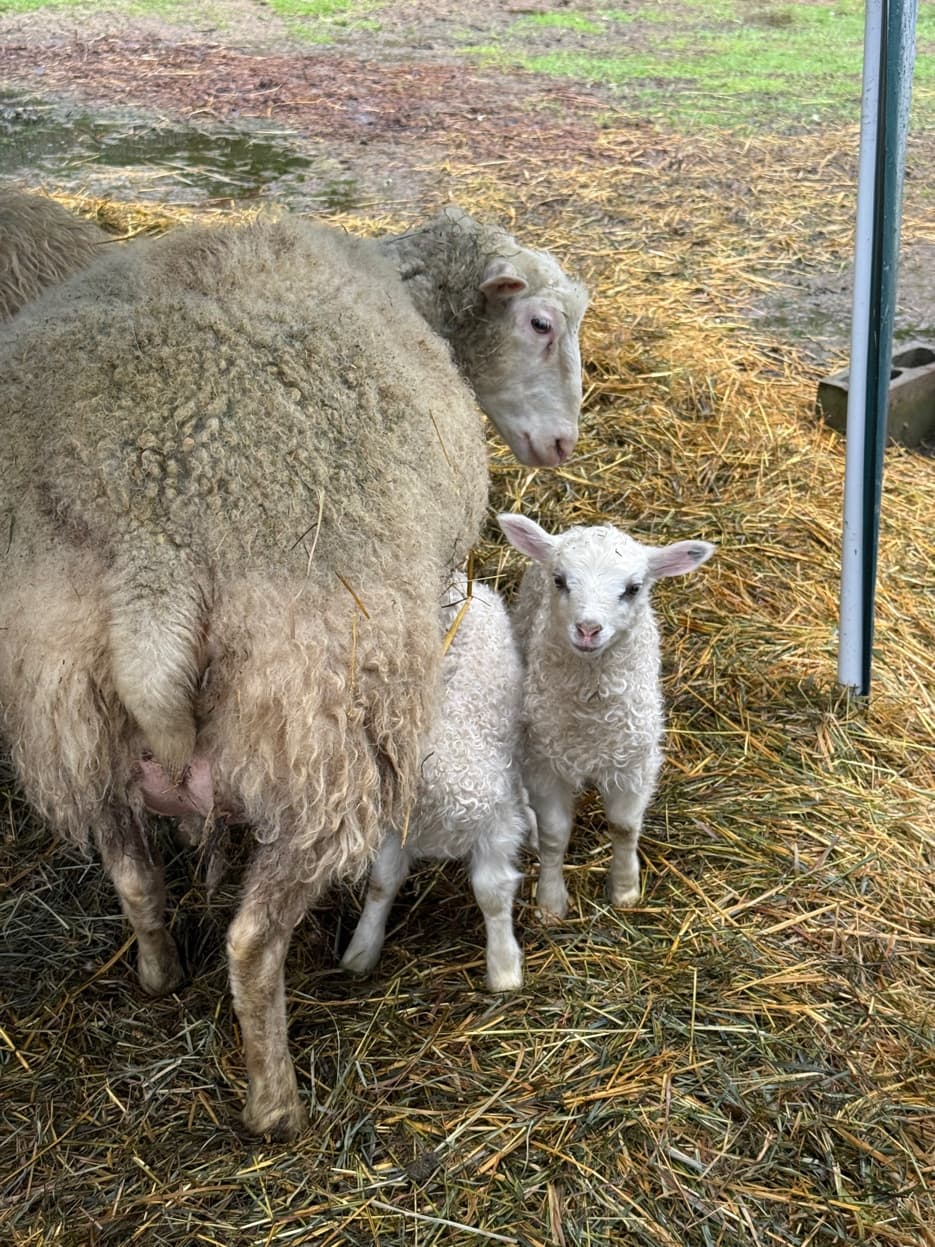
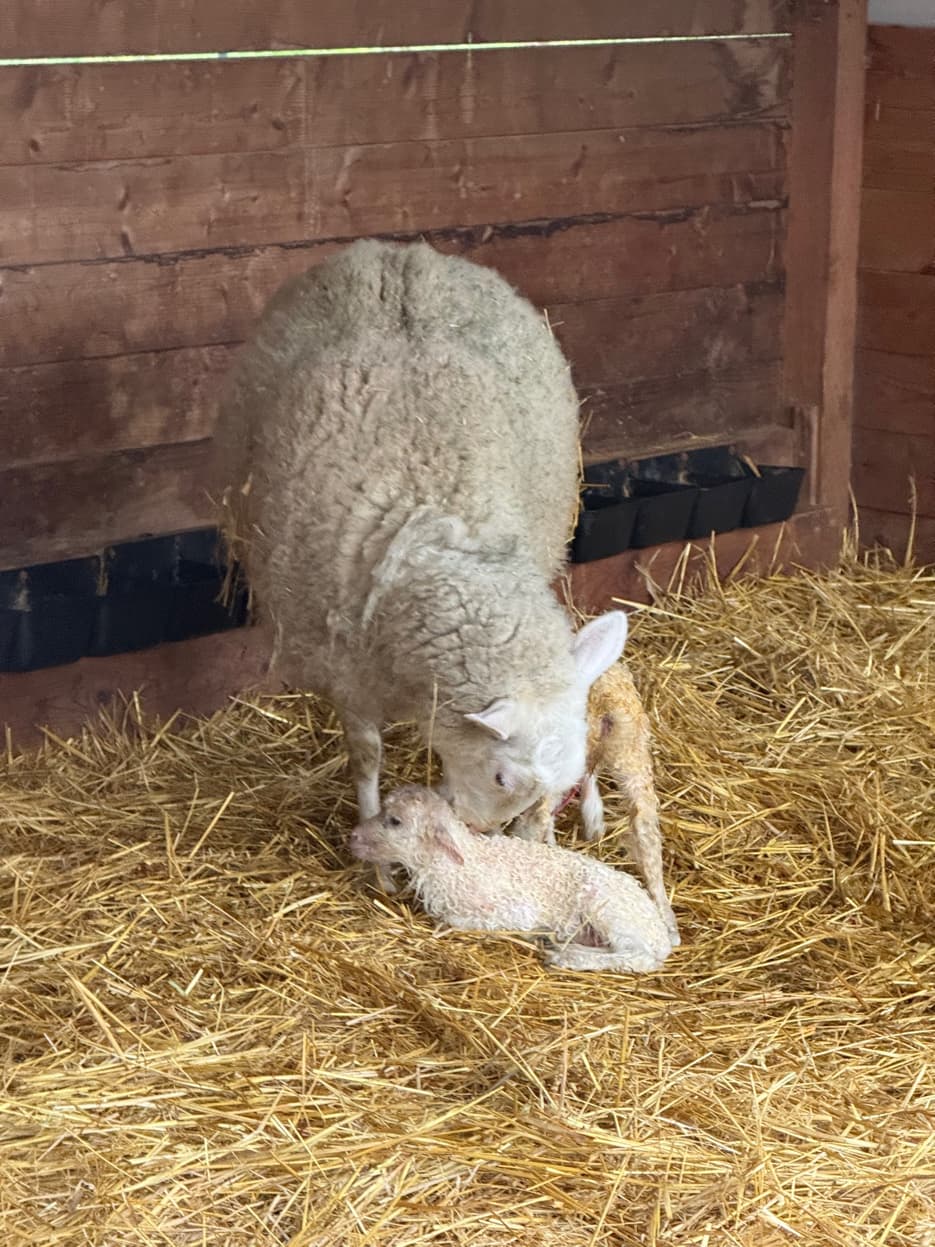
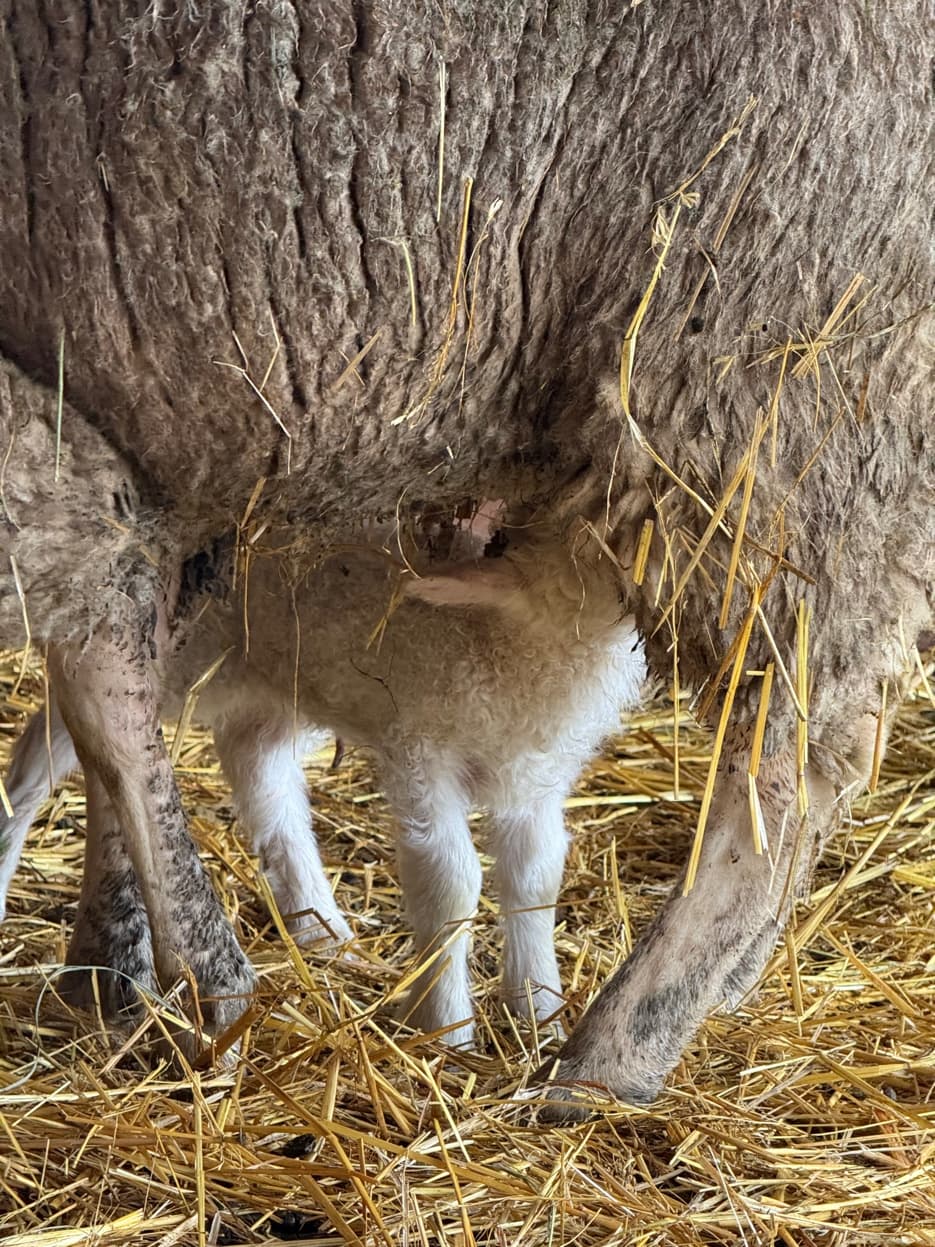
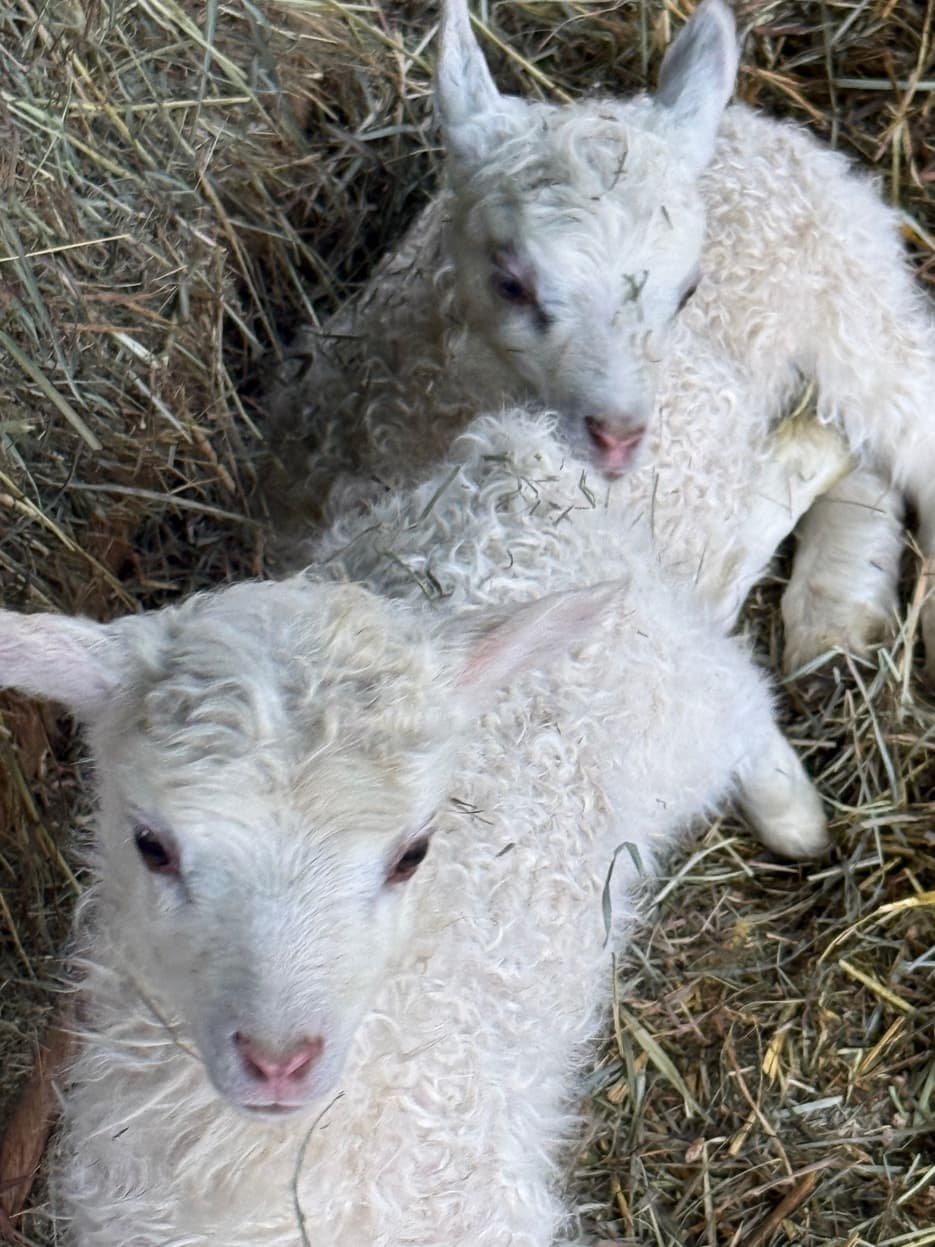
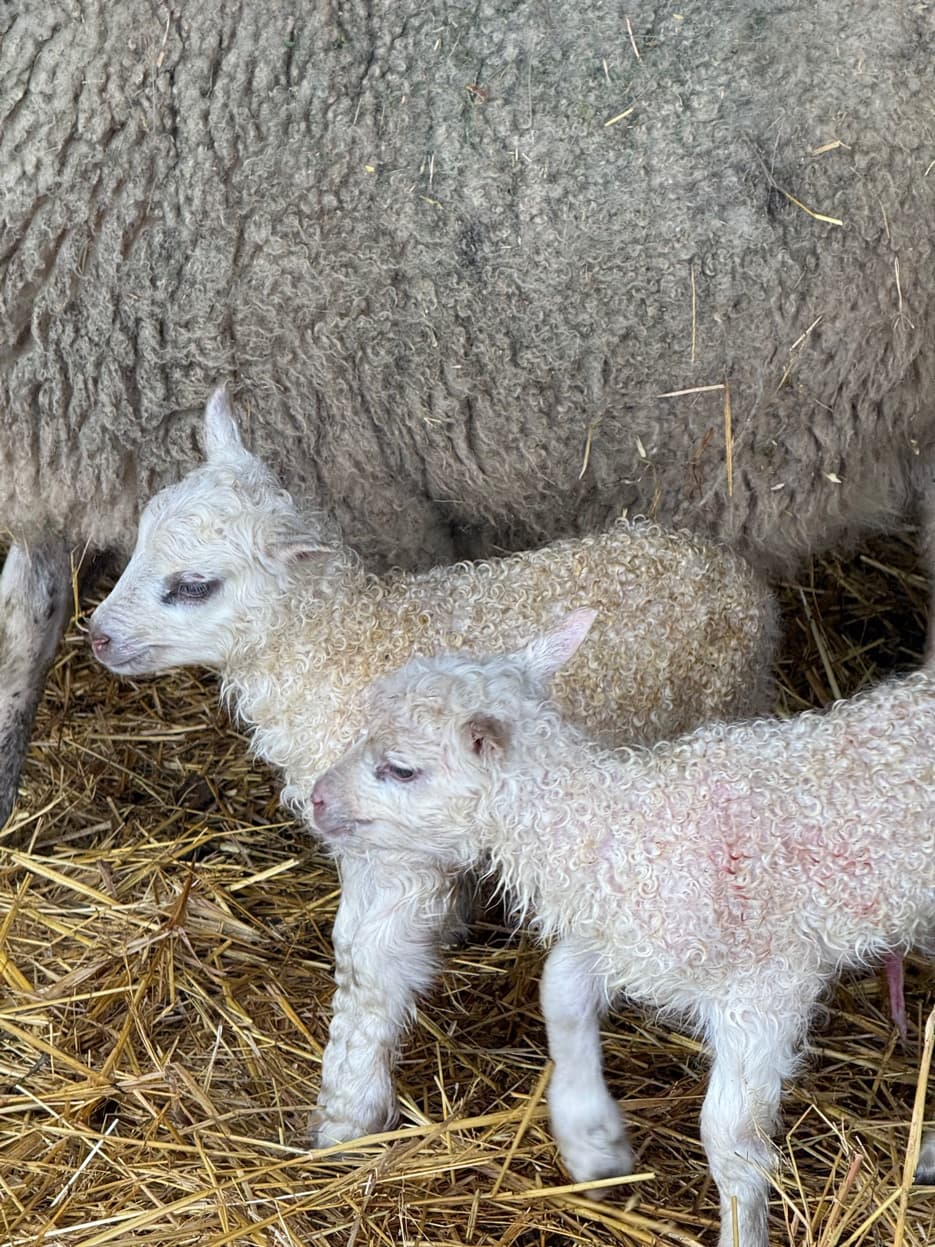
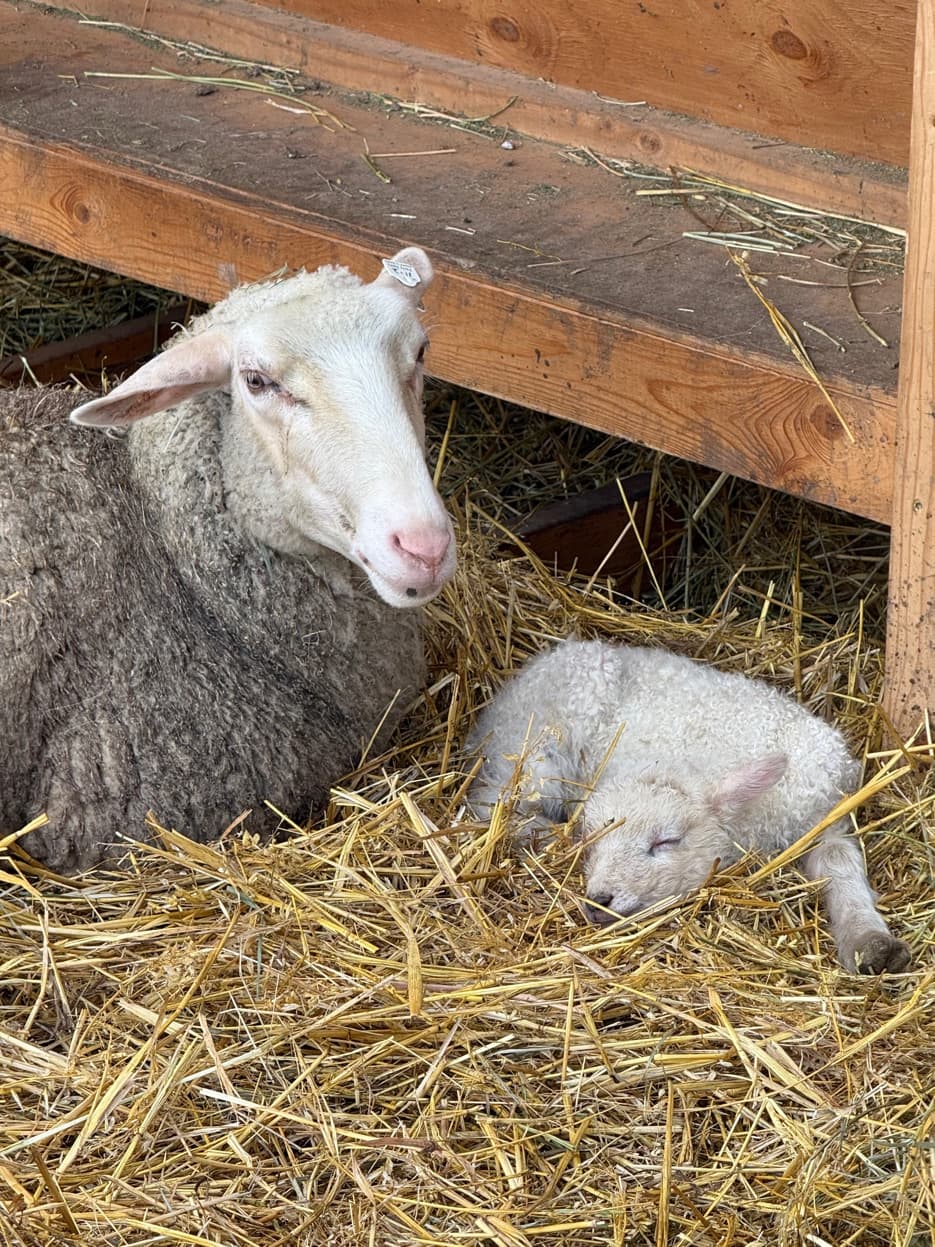
The 1,157-Mile Trip
In 2025, Christine drove from Chehalis, Washington to South Dakota — 1,157 miles one way — to bring home four Lacaune-influenced ewes. Pure Lacaune genetics barely exist in the Pacific Northwest. This was the only way to get started.
In Fall 2026, 10 pure Lacaune semen straws are arriving from two different French rams — sourced specifically to maximize genetic diversity in our emerging PNW Lacaune program. We are building something that doesn't exist here yet: a Lacaune foundation herd in the Pacific Northwest, bred for the high-butterfat sheep milk that makes exceptional artisan cheese and yogurt.
1,157
Miles driven
10
Pure semen straws arriving Fall 2026
2
Different French rams
History & Origin
The Lacaune sheep originates from the Lacaune Mountains of southern France, in the Aveyron and Hérault departments. The breed has been selectively developed for dairy production for centuries, centered on the town of Roquefort-sur-Soulzon — home to the famous blue cheese that bears the region's name.
Roquefort cheese has been produced in the natural limestone caves of Combalou since at least the 11th century, and possibly far earlier. The cheese can only be made from Lacaune ewe milk by French law (Appellation d'Origine Contrôlée). This geographical and legal protection has driven centuries of intensive selective breeding for milk production in the Lacaune — making it the highest-producing dairy sheep breed in the world.
Modern Lacaune ewes, selected through rigorous INRAE (French National Research Institute) programs, can produce 200–300 liters of milk per lactation — two to three times the production of most heritage dairy sheep breeds. The milk is high in fat and protein, ideally suited to cheese making.
Outside France, Lacaune genetics remain rare. In the United States, the breed exists primarily in small populations maintained by dedicated dairy sheep producers. In the Pacific Northwest, they are nearly nonexistent — which is exactly why we're building this program.
Contributions to Humanity
Roquefort & French Cheese Culture
Lacaune milk is the sole legal ingredient for Roquefort — one of the world's oldest and most famous cheeses, with a documented history of over 900 years. The breed exists, in its modern form, specifically because of that cheese tradition.
Highest-Producing Dairy Sheep
Through centuries of selection, the Lacaune became the most productive dairy sheep breed in the world. Modern genetics programs at INRAE continue improving the breed's production records — making Lacaune the benchmark against which all other dairy sheep are measured.
Global Sheep Dairy
Lacaune genetics are exported globally to improve dairy sheep programs in Spain, Italy, South America, and increasingly North America. As sheep dairy grows worldwide, Lacaune genetics underpin most serious commercial programs.
Milk Profile
Butterfat: 7–8% — exceptionally high, giving Lacaune milk its characteristic richness and making it ideal for high-fat cheeses, yogurt, and ice cream.
Protein: 5–6% — nearly double the protein of cow milk, which is why sheep milk cheeses have such complex, concentrated flavor.
Volume: 200–300 liters per lactation from a modern Lacaune ewe — far above any heritage dairy sheep breed.
Seasonality: Lacaune are seasonal milkers, producing primarily from lambing through summer. Their concentrated production season aligns with traditional cheese-making calendars.