Zebu
One of humanity's oldest domesticated animals. 8,000 years of history, A2/A2 genetics, and a distinctive shoulder hump that tells the whole evolutionary story.
~6000 BCE
Domesticated
Bos indicus
Species
A2/A2
Genetics
Yes
Hump
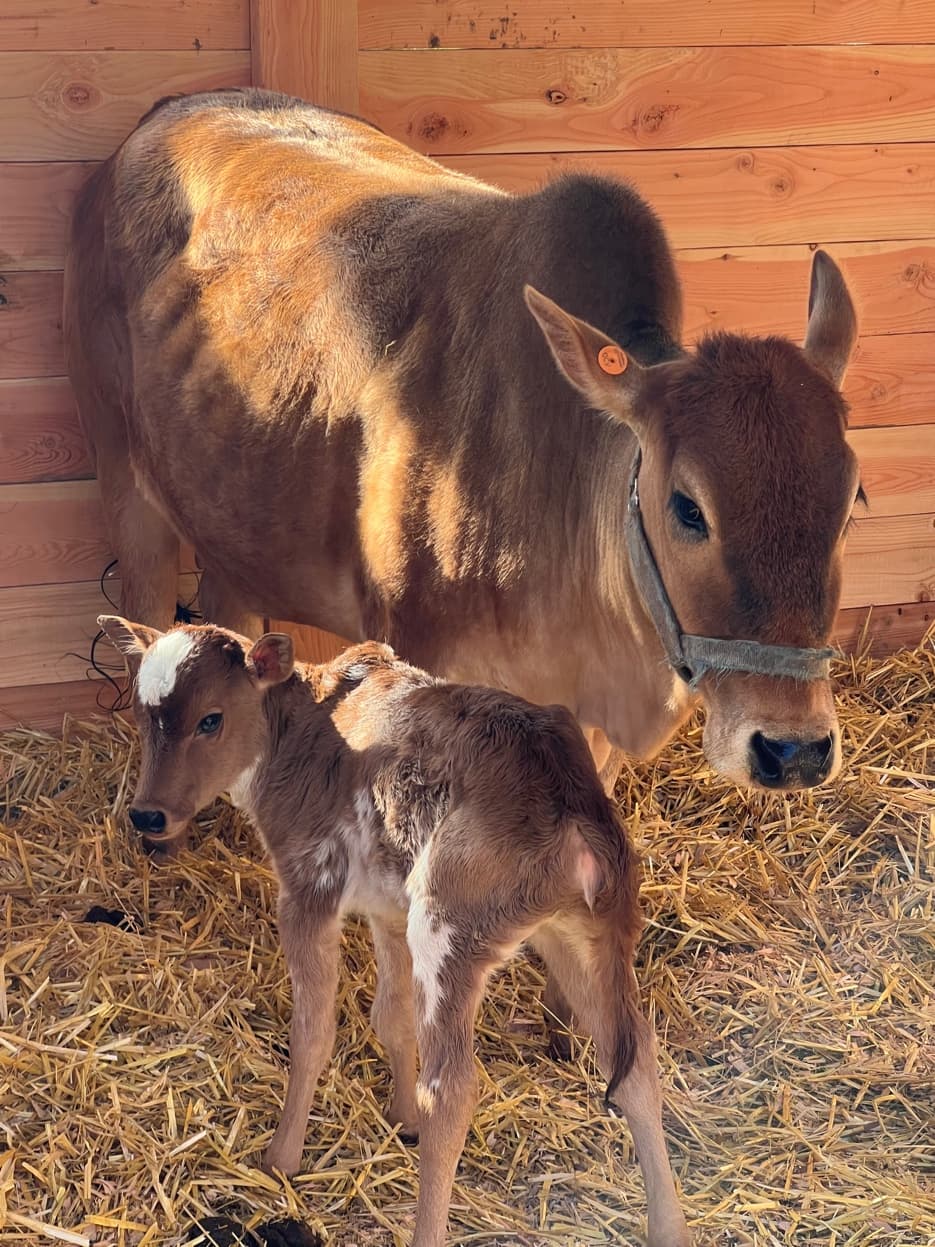
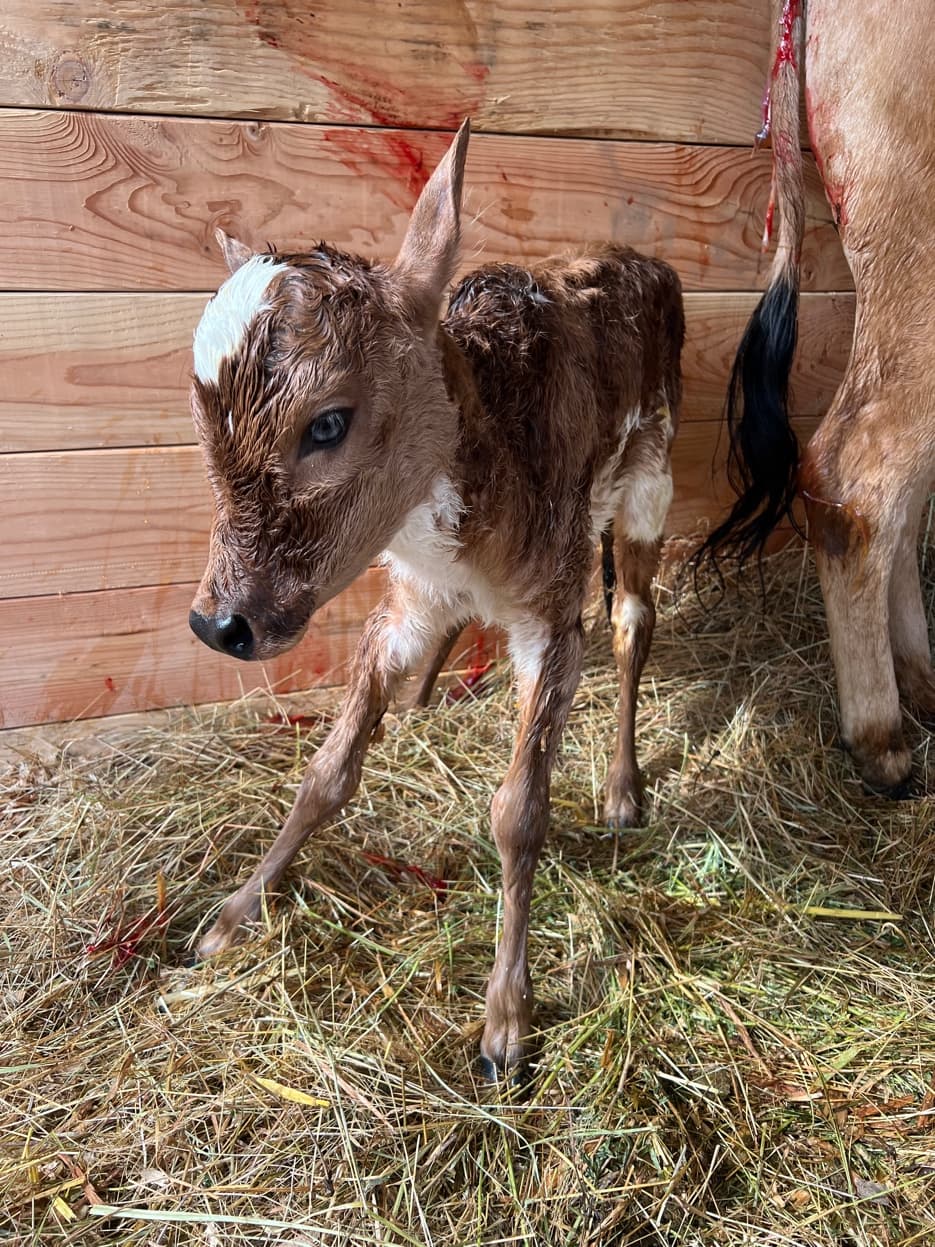
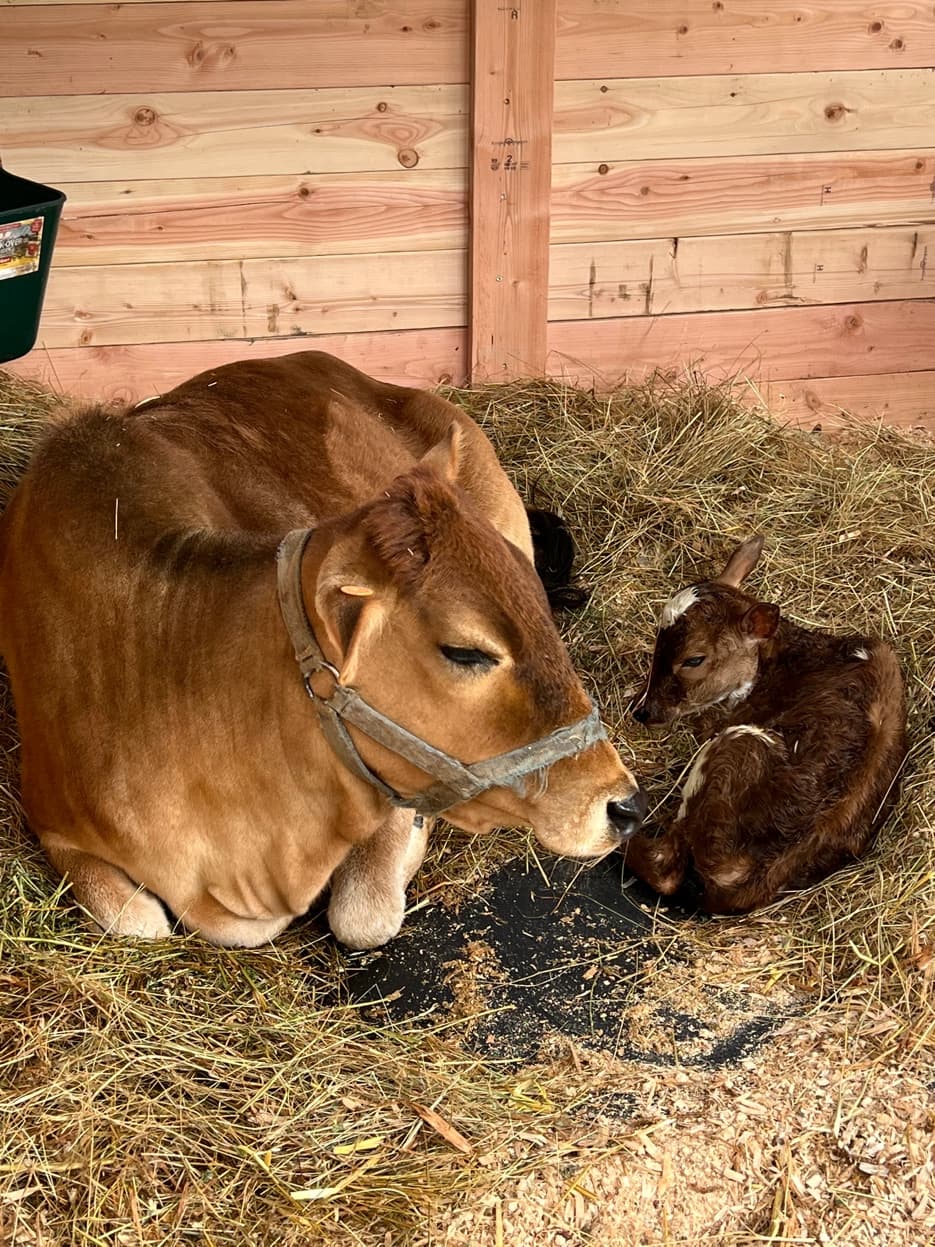
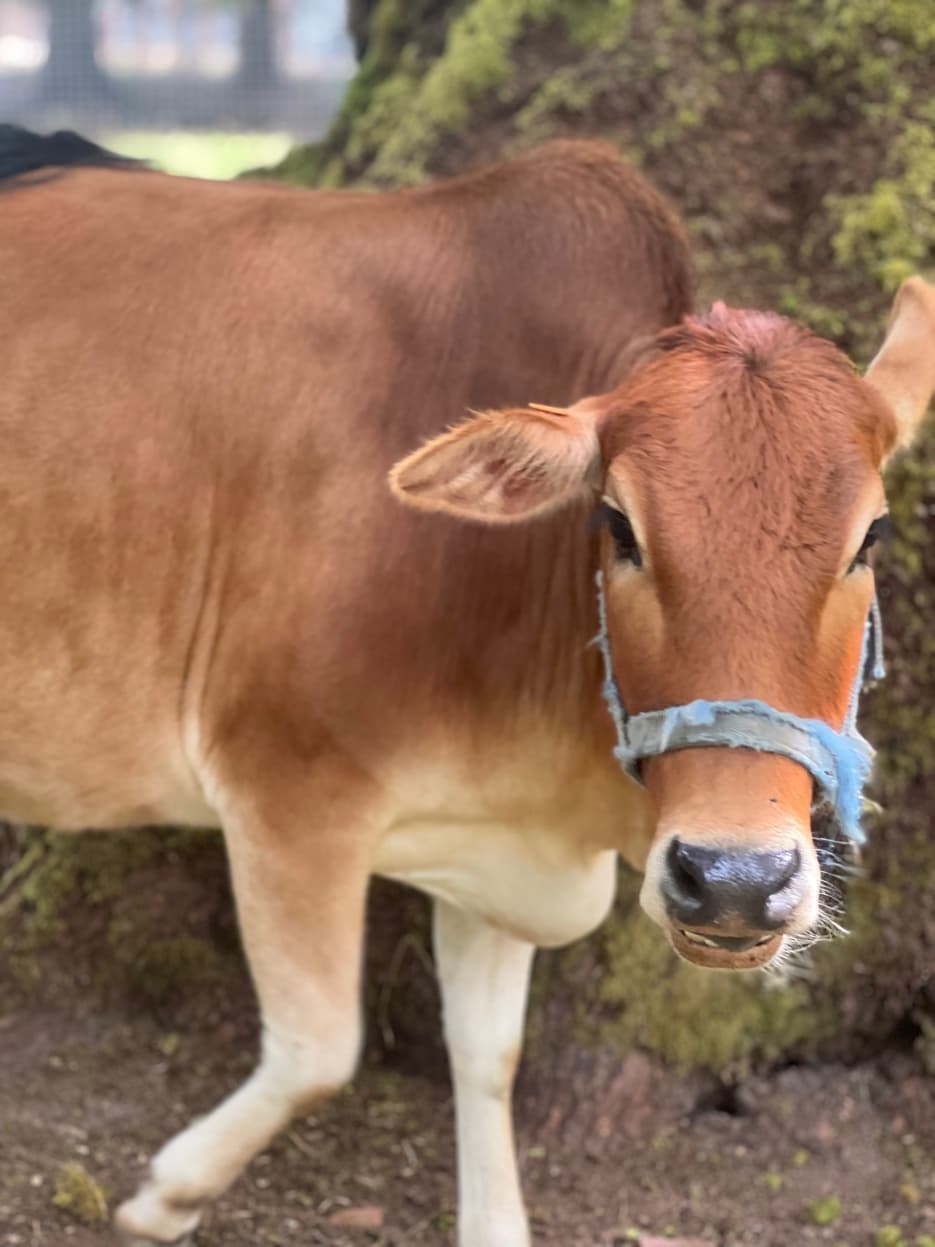
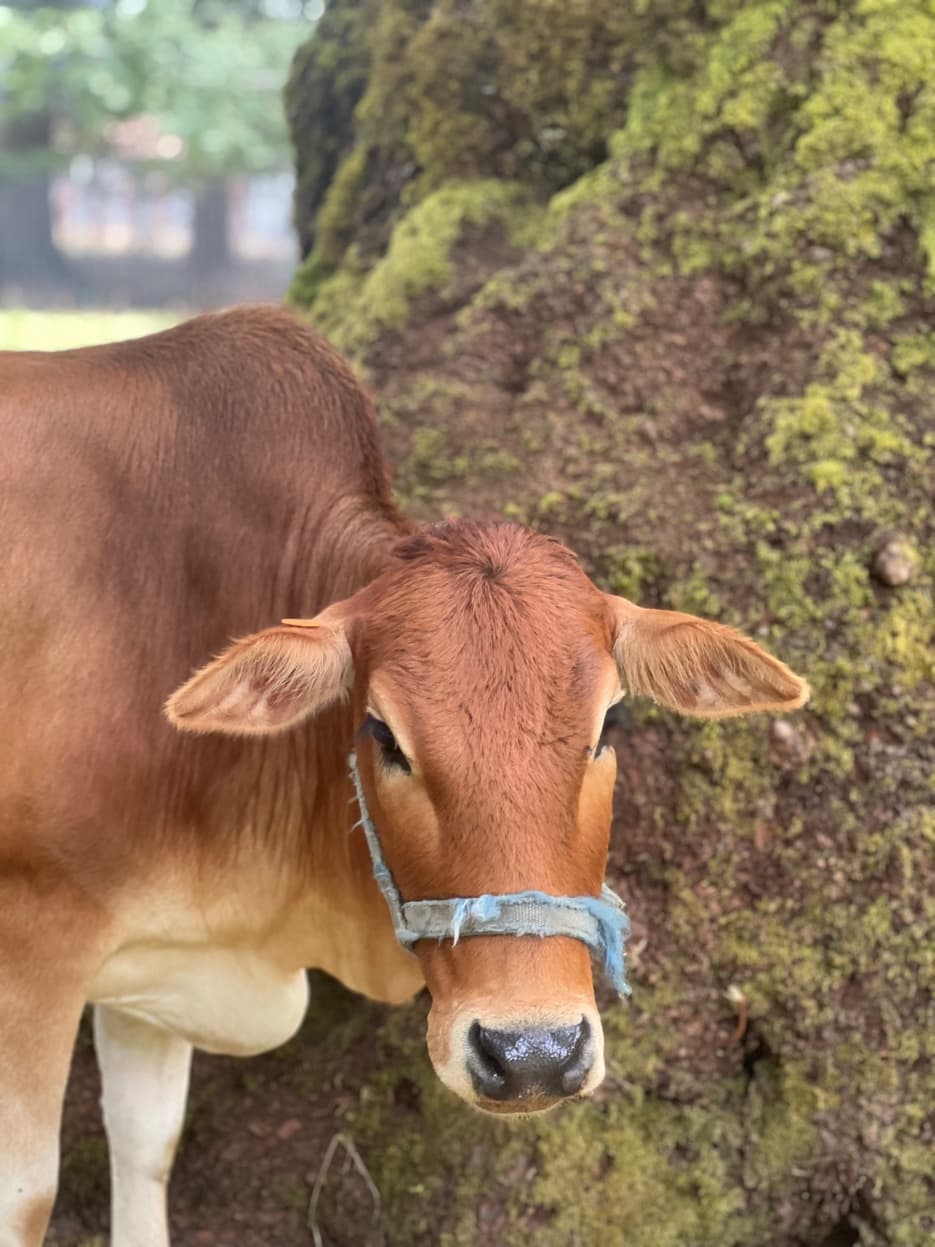
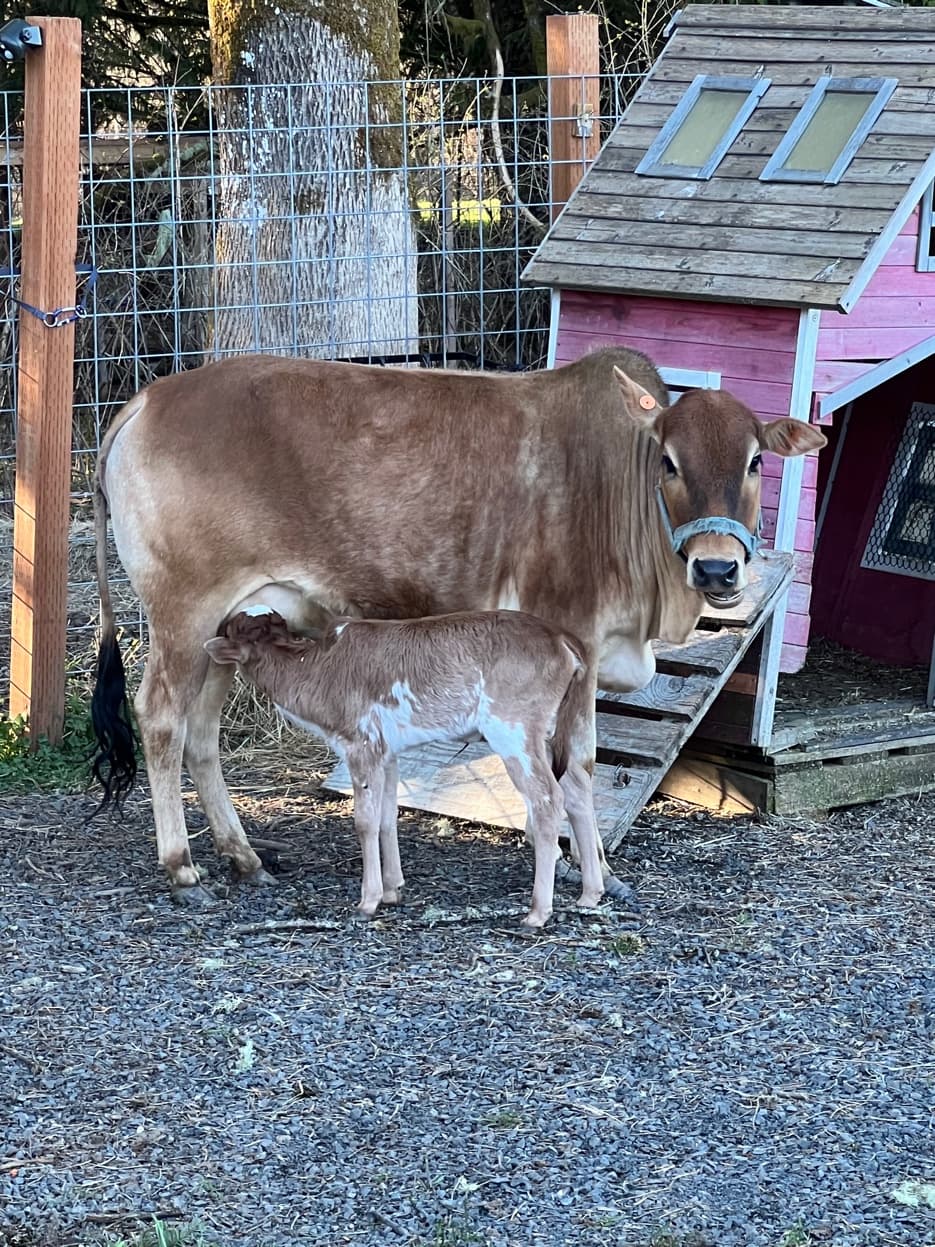
At RiverHouse Dairy
Our Zebu are part of the A2/A2 cattle component of our herd — selected for the same beta-casein genetics that drove our Jersey acquisition. Zebu carry A2/A2 genetics naturally as a species characteristic of Bos indicus cattle, which diverged from European cattle (Bos taurus) thousands of years ago and were never subject to the A1 mutation that became prevalent in modern commercial breeds.
They are distinctive animals — smaller than most cattle breeds people are familiar with, heat-tolerant, and genuinely ancient in their genetics. Having both Jersey and Zebu gives our cattle genetics program breadth across the A2 landscape.
History & Origin
Zebu cattle (Bos indicus) were independently domesticated from wild aurochs in South Asia approximately 8,000 years ago — one of the most ancient domestication events in human history. They represent a separate domestication from European cattle (Bos taurus), which were domesticated from a different aurochs population in the Near East around the same time.
The two species remained largely separate for millennia. Zebu adapted to the hot, humid conditions of South Asia, developing the characteristic shoulder hump (a fatty tissue deposit over enlarged cervical vertebrae), loose skin folds that help dissipate heat, and resistance to tropical parasites and diseases that devastate Bos taurus cattle.
Zebu spread from South Asia westward into Africa (where they crossed with indigenous African cattle to create many African breeds) and eastward into Southeast Asia and eventually East Africa, reaching these regions both through human migration and independent trading routes. Today, more than 75% of the world's cattle population is Bos indicus or Bos indicus-influenced — making Zebu the dominant cattle genetics on Earth by animal count, even if European breeds dominate commercial dairy production.
In the Americas, Zebu were introduced by Portuguese traders to Brazil in the 16th–17th centuries, eventually becoming the foundation of the Brahman breed and many South American beef cattle. In the United States, Brahman and other Zebu-influenced breeds became important in the Gulf Coast and Southeast for their heat and tick resistance.
Contributions to Humanity
Foundation of Global Agriculture
Zebu cattle are the primary draft animal and dairy source for over a billion people across South Asia, East Africa, and Southeast Asia. In many regions, a family's Zebu cow is their primary source of milk, draft power, and economic security — a role they have played continuously for 8,000 years.
A2 Genetics
All Bos indicus cattle carry A2/A2 beta-casein genetics naturally — the A1 mutation never occurred in this lineage. This makes Zebu and Zebu-crossed cattle central to the global A2 dairy movement, particularly in countries where Zebu cattle dominate.
Genetic Resilience
Zebu cattle's resistance to tropical heat, humidity, ticks, and diseases like bovine tick fever and trypanosomiasis has made them indispensable for cattle production across the tropical world. Their genetic resilience is increasingly important as climate shifts expand tropical conditions globally.
Milk & Genetics Profile
A2/A2 genetics: All Bos indicus cattle naturally produce A2 beta-casein only. This is a species characteristic — not a selection program — making Zebu inherently valuable for A2 dairy programs.
Milk composition: Zebu milk is typically lower in volume than European dairy breeds but higher in total solids. Traditional Zebu dairy products in South Asia — ghee, paneer, dahi — reflect a dairy culture built around concentrated, high-solid milk.
Cultural significance: In Hindu culture, the cow (predominantly Zebu in South Asia) holds sacred status. Zebu cattle have shaped religious practice, agricultural systems, and food culture across the Indian subcontinent for millennia.